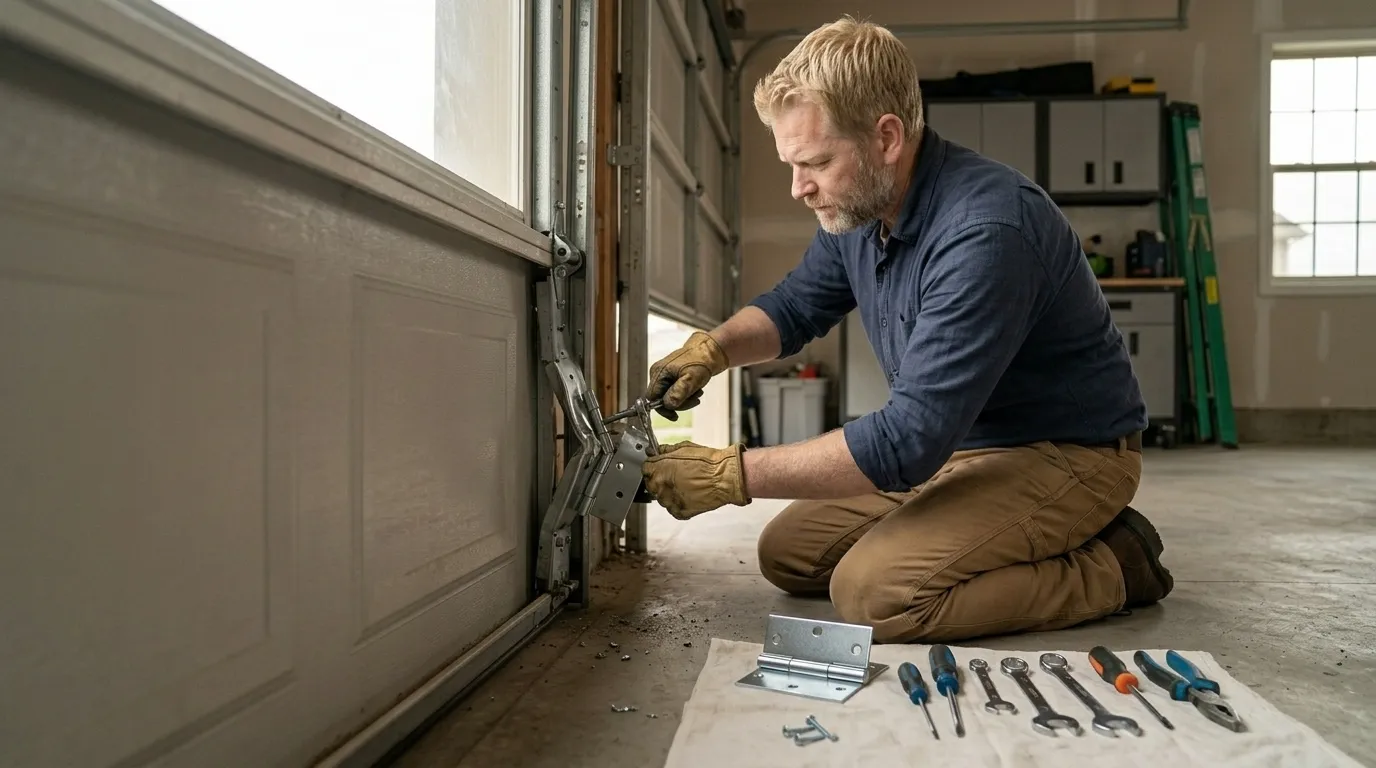
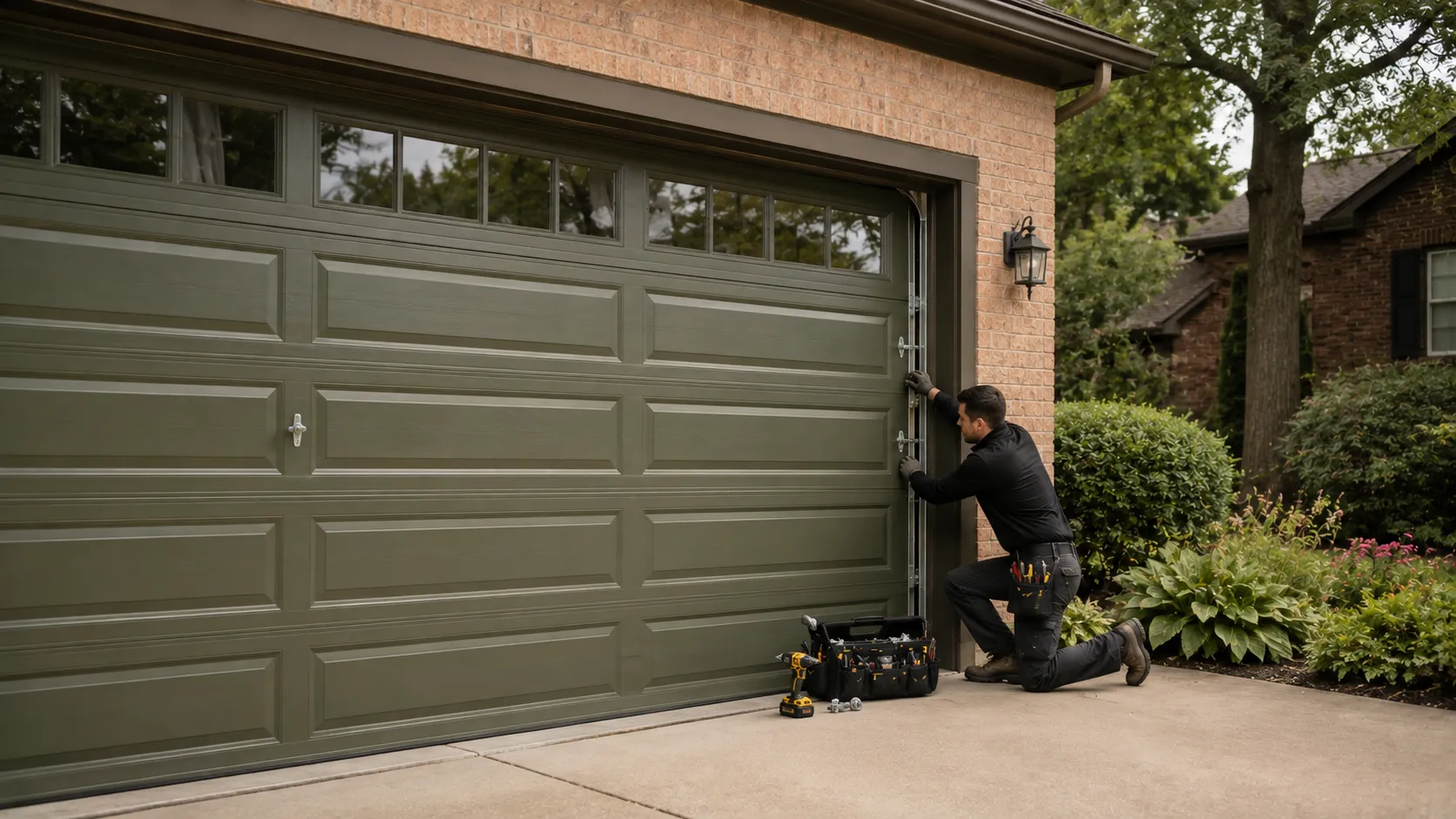
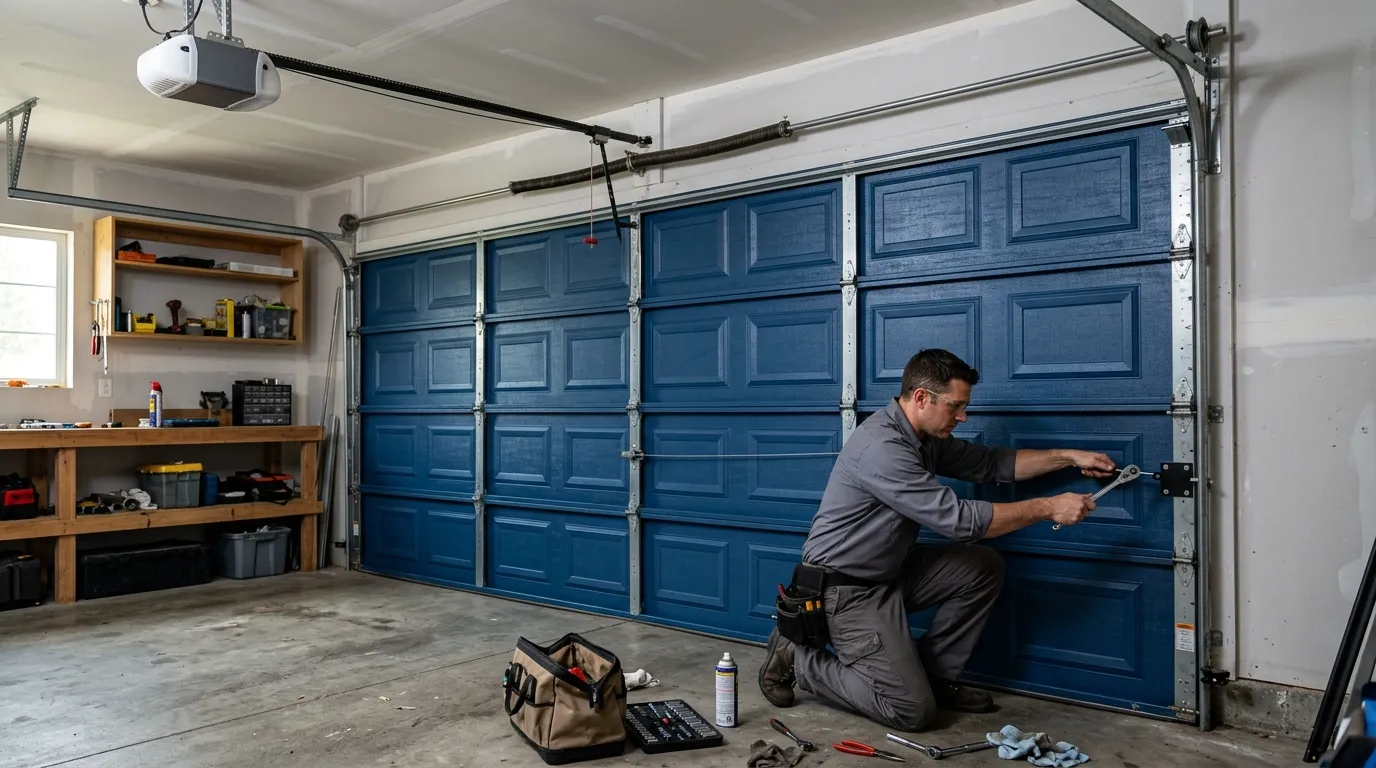
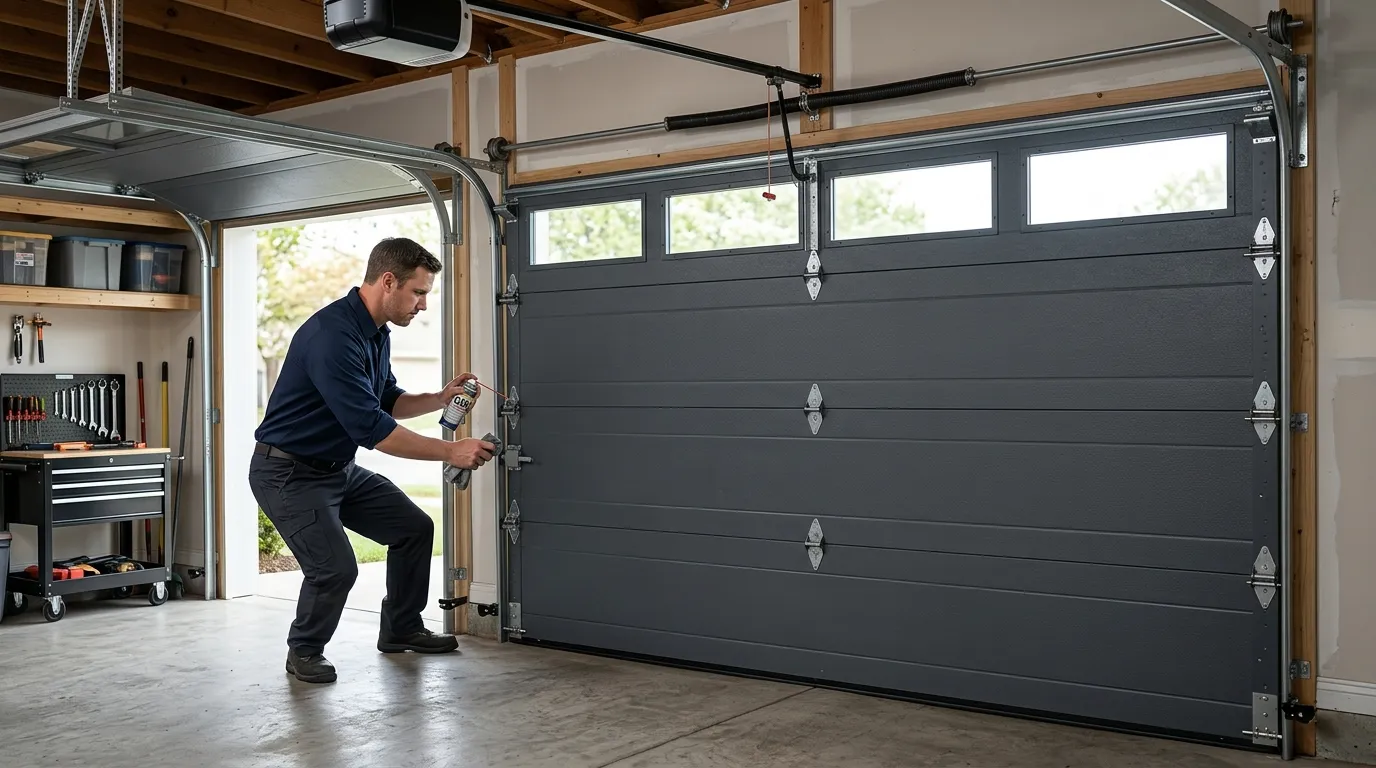
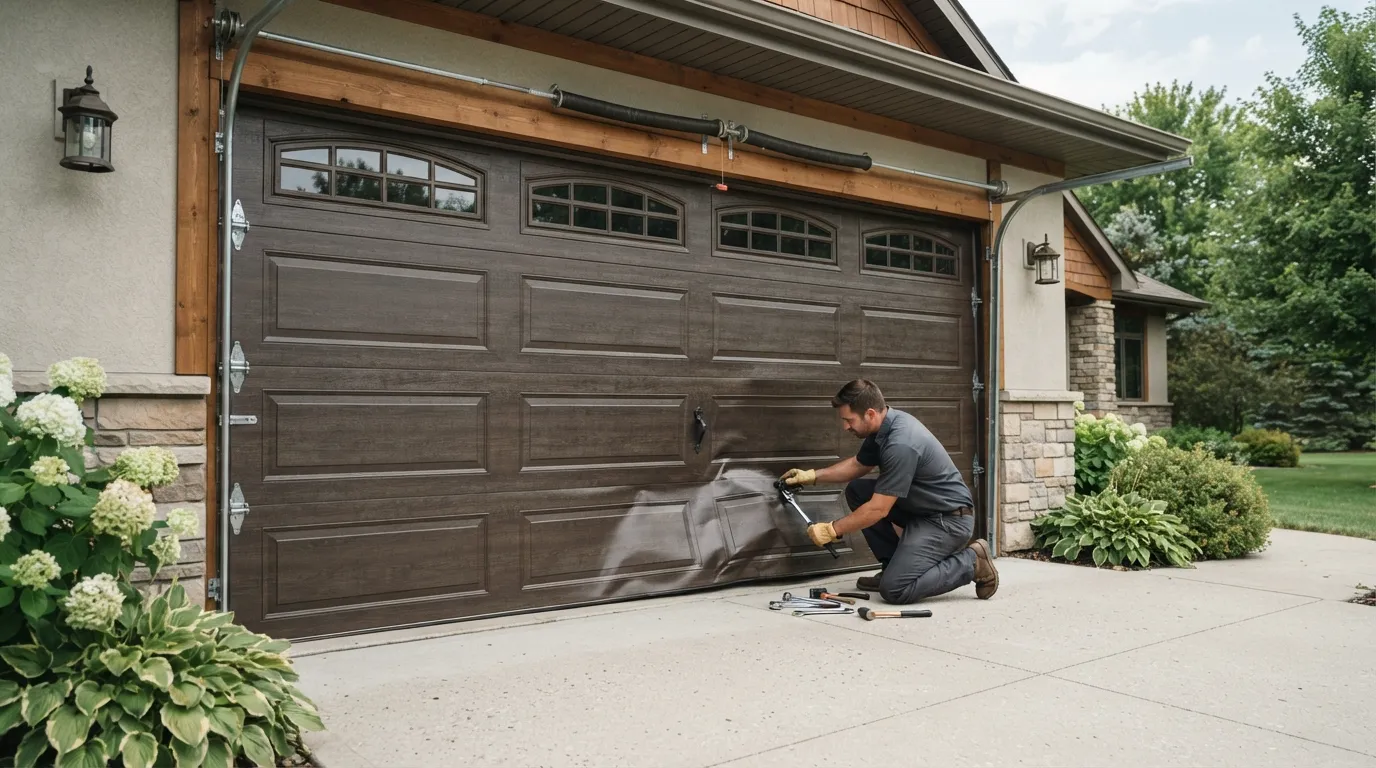
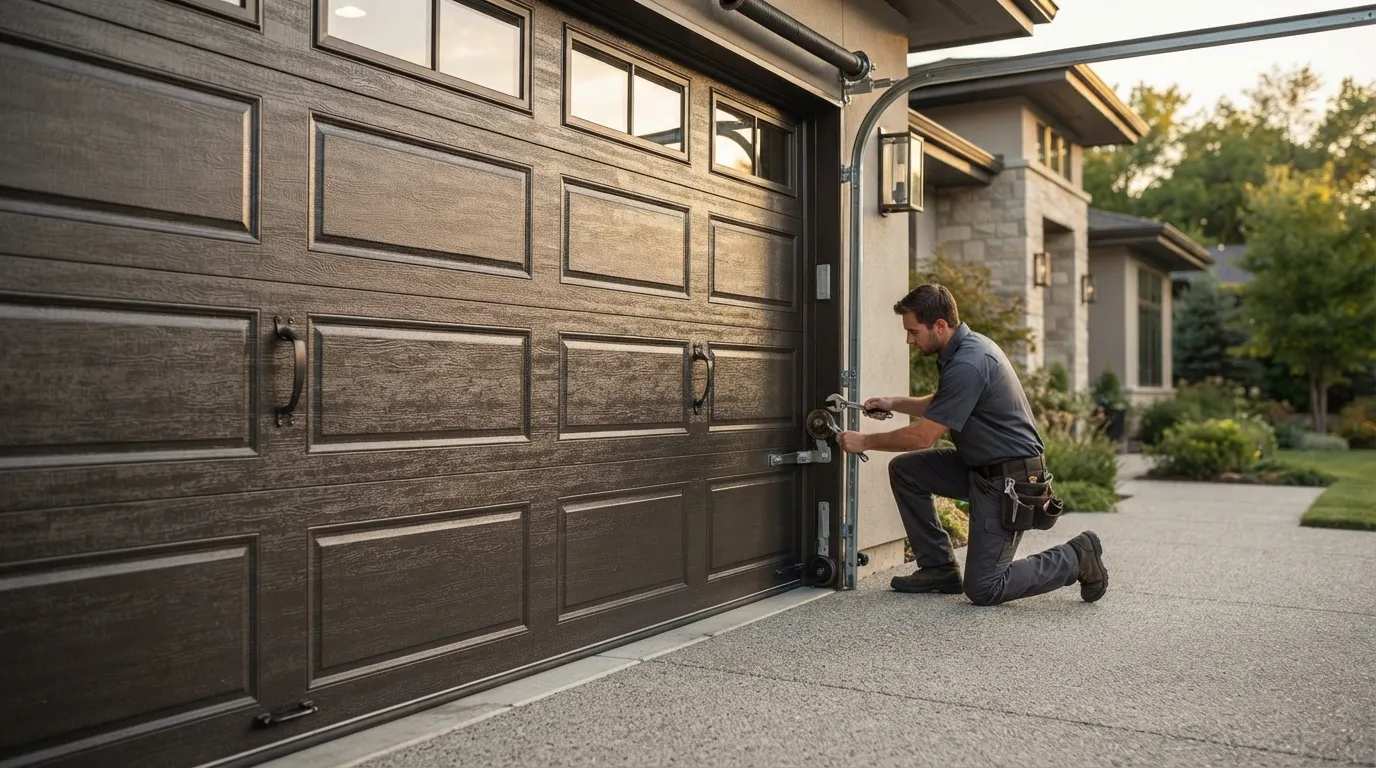
Minnesota's cold band is severe, and a door built or last serviced in the 1950s or 60s wasn't engineered with today's high-cycle openers or synthetic lubricants in mind. Steel springs lose temper faster in repeated hard freezes, and original hardware on a house this old has usually been through sixty-plus winters of expansion and contraction on the same bolts and brackets. That's a different failure pattern than a door built in 2003 with a galvanized track and a modern spring rated for higher cycle counts. On the older end of St. Paul's housing stock, we see cables fraying at the drum, hinges stretched out of round, and torsion bars that were never upgraded when the opener was replaced somewhere along the way. None of that is unique to any one street - it's a function of the age of the stock itself, and St. Paul's median build year puts more of its homes into that older bracket than most of the surrounding service area.