
Blog
Wind and the Wide Garage Door: A Minneapolis Problem
Minneapolis homes built 1952-2003 carry wide double doors on hardware never rated for today's wind load. Here's what actually fails, and when it's worth fixing.
How Local Conditions Play In
Most of the houses standing in this service area went up between 1952 and 2003, with the median right around 1975 - squarely in the era when builders across the 54 named areas here started putting in wide double garage doors instead of two singles. A wide door has more surface area for wind to push against, and more panel to flex when it does. That's just the geometry.
What makes it worse here is the climate band this region sits in: cold, and severe about it. Steel contracts in deep cold, and the same gust that would just rattle a door in a mild climate is pushing against hardware that's already stiff and less forgiving from the temperature. Torsion springs wound decades ago, track brackets set into studs that have shifted a little over fifty-plus years, hinges that were fine in 1978 - none of that was engineered with today's wind numbers in mind, because nobody was thinking about wind numbers when a 16-foot door felt like a modern convenience, not a structural question.
So the same storm front that moves through does something different to a 60s-70s rambler door than it would to a newer build with reinforced struts. The door doesn't need to fail outright to be a problem. It just needs to flex a little more than it used to.
What Most People Get Wrong
The usual assumption is that a heavier door resists wind better. It's backwards. What actually matters is whether the door has horizontal struts bolted across the back of the panels, and whether the track and end hardware are lagged into something solid. A lot of the double-wide doors on houses from this housing stock's era went in without any strut at all, because reinforcement kits weren't standard practice yet.
The other thing people miss: they treat a wind event as a one-time scare instead of a symptom. A door that bowed once and came back into shape has metal fatigue now, even if it looks fine. That fatigue doesn't reverse. It shows up again, usually worse, on the next gust - and in a climate rated cold-severe, the cycle of contraction and expansion through the winter speeds that fatigue along instead of letting the hardware rest.
People also assume a repair now means the door is 'wind safe' going forward. It isn't a permanent fix if the underlying track and jamb hardware are original to a house built decades before wind load got taken seriously in residential garage doors. Sometimes the honest answer is that the door itself, not just the spring or the panel, is the thing that's out of date.
When to Call Someone
Call before the next storm, not during it, if you've noticed the door bow visibly in the middle when it's closed and the wind is up, or if a panel has a permanent wave in it that wasn't there a year ago. Same goes for hinges that have started to separate slightly at the seam, or track brackets with visible daylight between the bracket and the framing - a sign the lag screws have worked loose over years of flex.
If the door has come off track during a gust even once, that's not a one-off. Get it looked at before it happens again with someone standing near it.
We don't stock every reinforcement strut kit for every era of door - some of the older double-wide panels from houses built in the 1960s and 70s use hardware that isn't a same-day part, and we'll tell you that up front rather than promise a fix we can't do that day.
The Situation
This is a big service area - roughly 415,224 households and 168,625 owner-occupied houses across it, spread from the close-in neighborhoods within a mile or two out to towns eight to fourteen miles off, places like St. Louis Park, Golden Valley, Robbinsdale, Fridley, and Roseville. Median household income across the area runs $96,224, which tells you something about what people are willing to put into a house, but it doesn't change what the hardware on a 1975-built garage is dealing with.
The wide door problem isn't rare here. It's built into the housing stock - most of what's standing is 1960s-70s construction, and a wide double door on original or near-original hardware is common rather than the exception. That means when wind is part of the forecast, it's worth a look at what's actually holding your door in the opening, not just whether it opens and closes smoothly on a calm day.
Questions
Common questions
Does my garage door need reinforcement struts for wind here?
If your house was built in the 1960s or 70s, which is common across this area, there's a real chance the original double-wide door doesn't have horizontal struts across the back of the panels. That's the piece that resists bowing in wind. Worth checking, especially before a storm season.
Why did my door come off track during a windstorm?
Usually it's the end hardware or track brackets working loose over decades, combined with wind pressure the door wasn't built to resist. In a climate this cold, contracted steel is stiffer and less forgiving, so a gust that would just flex a newer setup can pop an older one off track.
Can a bowed panel be straightened instead of replaced?
Sometimes, but a panel that's bowed once has fatigue in the metal that doesn't reverse. It may look fine after straightening but flex more easily next time. We'll tell you honestly if replacement is the better long-term call rather than a repeat repair.
Do you carry reinforcement kits for older doors on hand?
Not for every era. Some hardware from 1960s and 70s builds isn't a same-day part, and we'd rather tell you that up front than promise a fix we can't deliver that visit.
Recommendation
You Might Also Like
More garage door guides for Minneapolis homeowners.
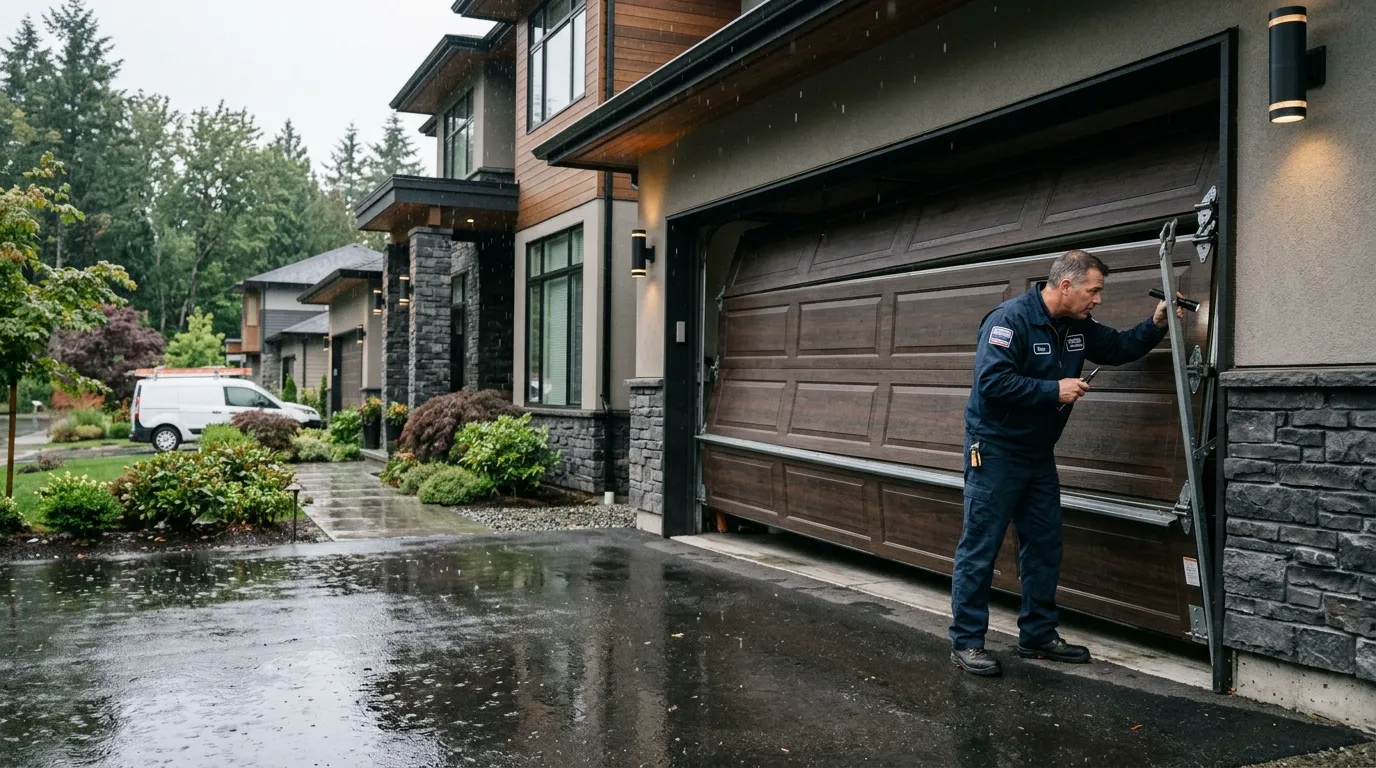
Why Doors Go Off Track in Minneapolis Homes
Minneapolis homes built between 1952 and 2003 carry track and hardware setups suited to a cold climate.
Read guide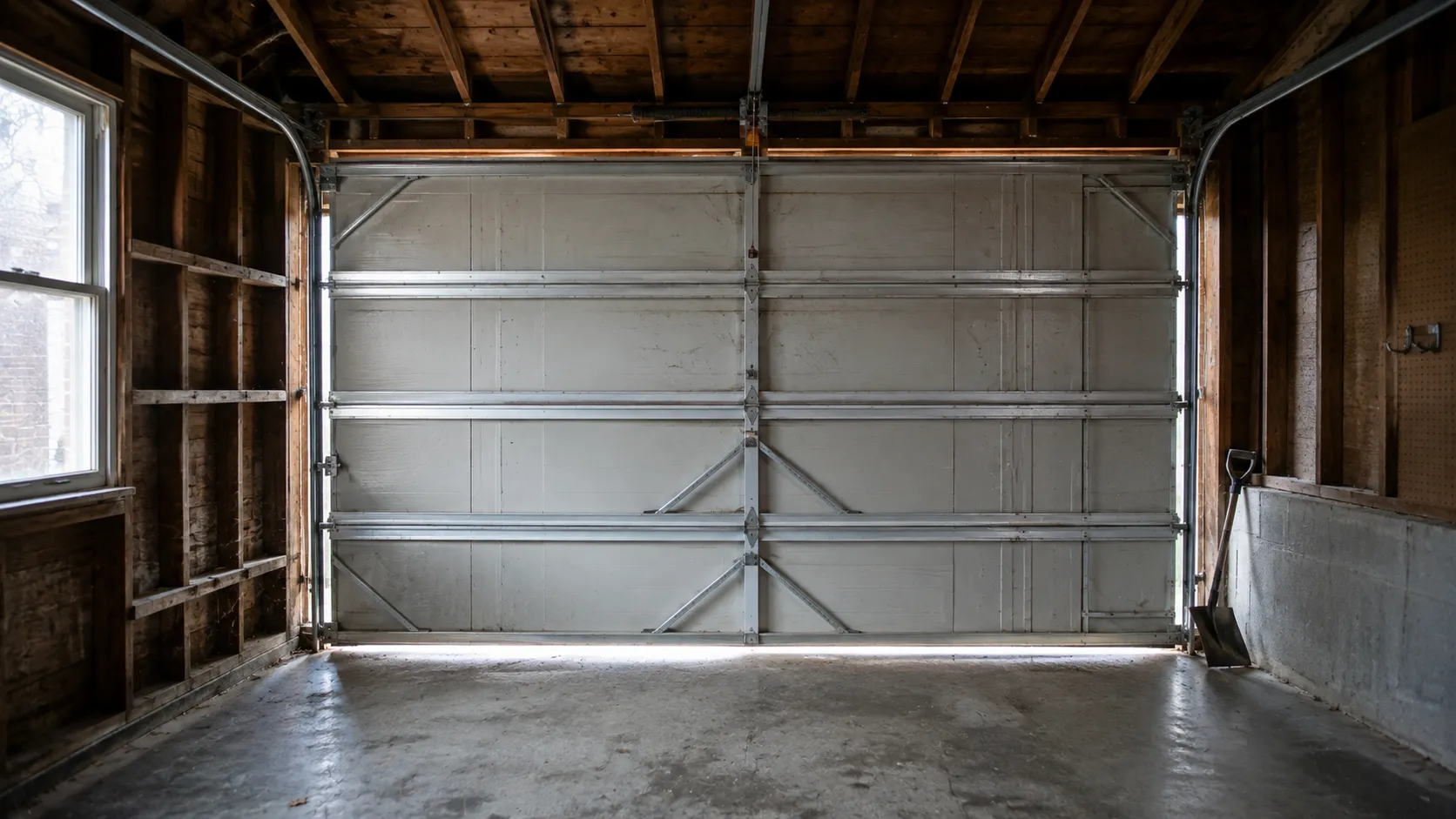
What an Uninsulated Door Costs You in a Minneapolis Winter
Minneapolis homes built 1952-2003 often carry uninsulated garage doors that fought cold weather rules never applied.
Read guide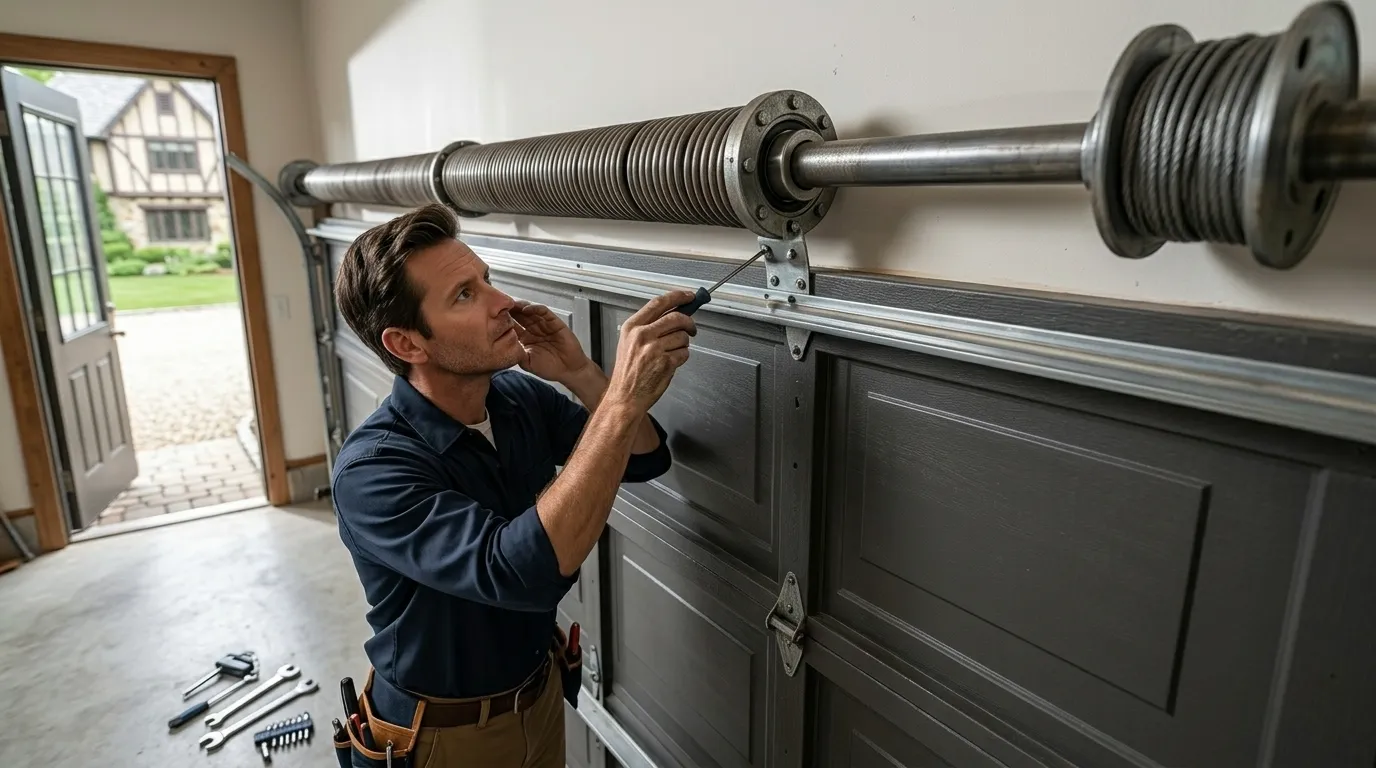
What Actually Happens During a Service Call in Minneapolis
A breakdown of what our techs actually check on a Minneapolis service call, from cold-weather spring tension to hardware common on 1950s-2000s homes here.
Read guideReady when you are
Need a garage door sorted in Minneapolis?
Minneapolis Garage Door Pros repairs and installs garage doors, springs and openers in Minneapolis, MN and the surrounding area.