
Blog
When a Spring Goes in Cold Weather
Minneapolis houses built 1952-2003 carry original torsion hardware that cold-snaps under our severe winters. Here's what breaks, why, and when to call.
How Local Conditions Play In
Minneapolis sits in a cold-severe climate band, and that matters more for garage doors than most homeowners realize until a spring lets go on a January morning. Steel torsion springs lose tensile flexibility as temperature drops, and the metal itself contracts, which raises the stress on a spring that's already near the end of its cycle life. A spring that would have limped through another summer here snaps clean in a cold snap.
This isn't a one-neighborhood problem. Across the roughly 54 named areas that make up the metro service footprint here, from Elliot Park and Phillips near downtown out through Robbinsdale, Crystal, and Fridley, houses face the same winter swing. The failure doesn't care whether you're two miles from the University of Minnesota campus or eight miles out toward Brooklyn Center - cold is cold, and a spring at the end of its life goes when it goes.
What changes house to house is the hardware itself, and that's a housing-stock question, not a weather one. A door installed in 1975 on original springs behaves differently under cold stress than one installed ten years ago, and in this market the majority of homes fall on the older end of that range.
What Most People Get Wrong
The most common mistake we see is treating a slow, hard-to-lift door in December as an opener problem. It's usually a spring problem. As the spring fatigues, the opener has to do more of the lifting work, so the motor strains, people hear grinding, and they assume the opener is failing. They replace or service the opener and the spring finishes dying two weeks later, usually snapping.
The second mistake is scale of the housing stock. Local homes were built between 1952 and 2003, with a median around 1975 and the bulk of that stock dating to the 1960s and '70s. A lot of that means torsion springs and track hardware that were never upgraded past what came with the house, sized for the door and climate expectations of that era, not for forty-plus years of freeze-thaw cycling.
People also assume a spring failure means the whole door needs replacing. Often the door itself, the panels, the track, are fine. It's the spring and sometimes the cable that goes. Don't let anyone talk you into a full door swap before you've had someone actually look at what failed and why.
When to Call Someone
Call when the door won't lift by hand, or when you hear a loud bang from the garage - that bang is almost always a torsion spring letting go. Don't try to force the door up with the opener once a spring has broken; you'll strain the motor and the tracks fighting weight the spring was supposed to carry.
Call sooner, before the break, if you notice the door closing unevenly, one side dropping faster than the other, or visible gaps in the spring coil. On a house from the 1960s or '70s era that makes up most of this stock, if nobody's touched the springs in a long stretch, cold weather is when the fatigue shows up. Waiting for the guaranteed failure means waiting for it to happen on the coldest morning of the year, usually right when you need the car out.
We don't try to talk every caller into a repair. If the door and track are old enough that a spring swap is just delaying a bigger job, we'll say so. That's a judgment call best made in person, not over the phone.
The Situation
With 415,224 households and 168,625 owner-occupied houses across this service area, and a median household income of $96,224, most of what we see are owners who bought an established home rather than new construction - which tracks with a median build year of 1975. That's a lot of original hardware still in service, and a lot of it hitting the age where springs are due regardless of whether winter is the trigger.
The honest limitation here: we can't tell you over the phone whether your spring is close to failing. Spring life is measured in cycles, not years, and without seeing the coil gauge and the door weight it's a guess. What we can tell you is that in a cold-severe climate like this one, a spring near the end of its life is far more likely to go in the coldest stretch of the year than in July. If yours is original to a house built decades back, don't wait for the bang.
Questions
Common questions
Why do springs break more in winter here?
Cold makes steel less flexible and causes it to contract slightly, which adds stress to a torsion spring that's already fatigued from years of cycling. In a cold-severe climate like Minneapolis, that added stress is often what pushes an aging spring from worn to broken.
My door is slow to open - is that the opener or the spring?
Usually the spring. As it loses tension, the opener has to compensate and strains to lift the door, which people mistake for a motor problem. Have the spring checked before spending money on opener repair.
Is my house's age relevant to this?
Yes. Local housing here was mostly built between 1952 and 2003, with a lot of stock from the 1960s and '70s still running original torsion hardware. Older springs sized for that era's doors are more likely to be near end of life.
Should I replace the whole door if a spring snaps?
Not necessarily. A broken spring often means just the spring and possibly a cable need replacing, not the panels or track. We'll tell you honestly if the door's old enough that a full replacement makes more sense than another repair.
Recommendation
You Might Also Like
More garage door guides for Minneapolis homeowners.
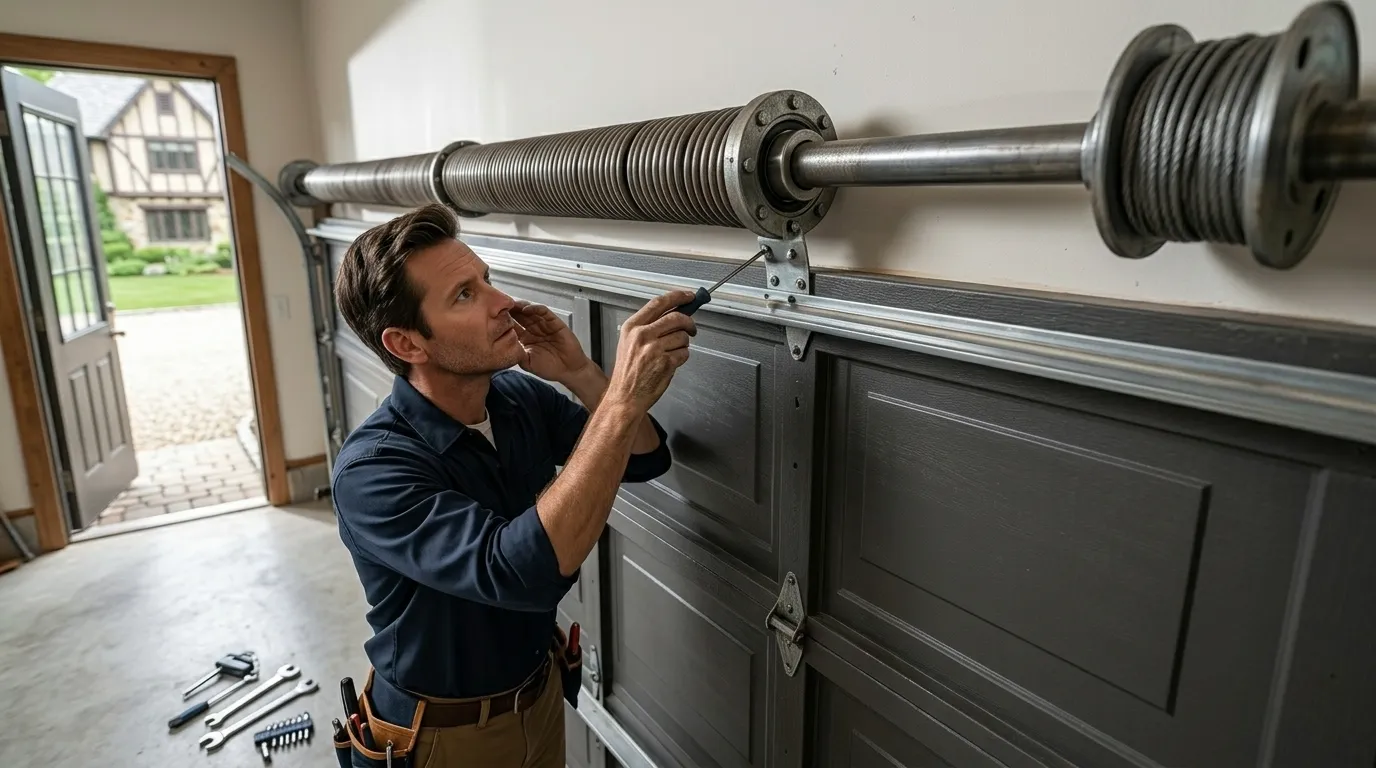
What Actually Happens During a Service Call in Minneapolis
A breakdown of what our techs actually check on a Minneapolis service call, from cold-weather spring tension to hardware common on 1950s-2000s homes here.
Read guide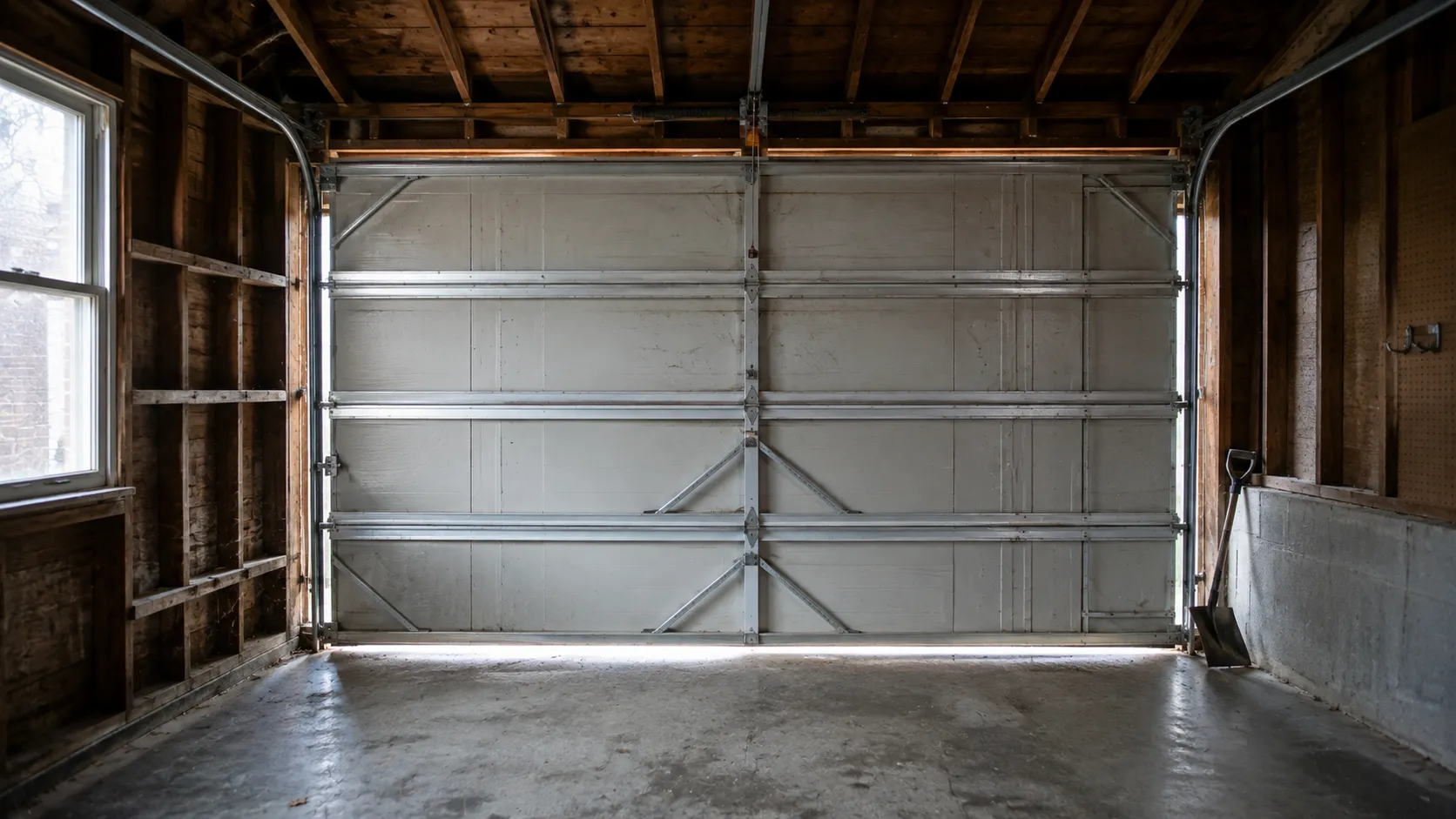
What an Uninsulated Door Costs You in a Minneapolis Winter
Minneapolis homes built 1952-2003 often carry uninsulated garage doors that fought cold weather rules never applied.
Read guide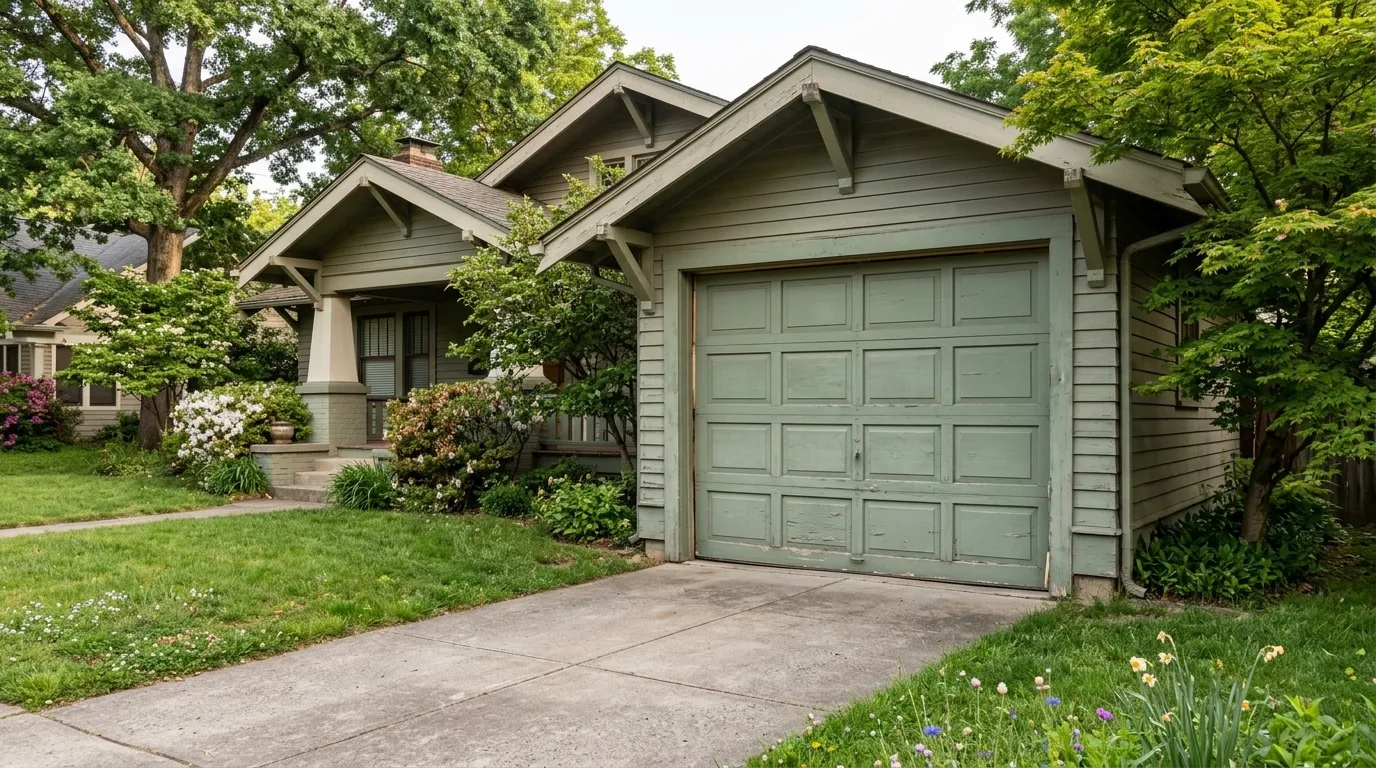
Garage Door Weather Seals for Minneapolis Winters
Minneapolis garage doors face cold-band winters, and homes built between 1952 and 2003 here need weather seals that match the era, not a generic strip.
Read guideReady when you are
Need a garage door sorted in Minneapolis?
Minneapolis Garage Door Pros repairs and installs garage doors, springs and openers in Minneapolis, MN and the surrounding area.