
Blog
Garage Door Weather Seals for Minneapolis Winters
Minneapolis garage doors face cold-band winters, and homes built between 1952 and 2003 here need weather seals that match the era, not a generic strip.
How Local Conditions Play In
Minneapolis sits in a cold-severe climate band, and that changes what a weather seal has to survive. It's not just cold, it's the repeated freeze-thaw cycling that works a rubber or vinyl seal loose from its track, then lets snow-melt refreeze right in the gap it left behind. Housing across this service area went up mostly between 1952 and 2003, with the median build year landing around 1975, so a lot of the seal channel and bottom astragal you're looking at was installed for a climate expectation that's decades old. In neighborhoods like Kenwood, Bryn Mawr, and Northeast Minneapolis, where the stock skews heavily to 1960s and 70s construction, the original steel jamb and factory seal combination simply wasn't specified for the number of freeze-thaw cycles this city racks up in a normal winter. That's not a defect, it's just age catching up with a part that was never meant to last fifty years. When a seal that old finally gives out, the draught you feel at the base of the door isn't a new problem, it's an old one that finally lost its grip. Knowing the build era of your specific block tells you more about what kind of seal and track combination you're dealing with than any general rule of thumb ever will.
What Most People Get Wrong
The most common mistake is buying a roll of weatherstrip off a shelf and assuming any bead of vinyl will do the job. A seal that's rated for a mild climate band compresses fine at 40 degrees and turns stiff and useless at 10 below, which is exactly the range Minneapolis sits in for a good stretch of the winter. Homes built in the 1952-2003 window often have track and jamb tolerances that were set to a specific seal thickness, so a generic replacement that's a millimeter off either gaps at the corners or binds the door on the way down. The other error is treating a draught as a seal problem when it's actually a track or hinge problem letting the panel sit crooked in its opening, which no amount of new rubber will fix. We won't sell you a seal kit as a stand-in for a track alignment job, because it won't hold and you'll be back at this again in a season. If the door itself has warped or the panel seams have separated from age, seal work is a patch on a bigger issue, and that's worth saying plainly before you spend money twice.
When to Call Someone
Call when you can see daylight along the bottom of the door with it closed, when frost forms on the inside of the panel near the seal line, or when the draught you're feeling has gotten noticeably worse over one winter rather than building slowly over years. A sudden change usually means the seal tore or popped out of its retainer, not that it simply aged out. If your house falls into that 1952-2003 build range and you haven't touched the seal since it went in, it's worth having someone look at the track alignment at the same time, since the two wear together in this climate band. We'd also flag it if the bottom panel itself shows rust or the wood has started to swell, because in that case a new seal won't seat properly no matter how well it's fitted, and you're looking at panel or door replacement instead of a seal job. Across a service area with 168,625 owner-occupied houses built mostly in this same window, seal wear tends to show up in clusters by decade, so if a neighbor on an older block just had the same issue, yours is probably close behind.
The Situation
This service area covers 415,224 households, with 168,625 of those in owner-occupied houses, most carrying doors and hardware installed somewhere inside that 1952-2003 build window with a median year around 1975. That spread matters because a seal fix that's right for a 1958 house on a steel jamb isn't necessarily right for a 1998 house on a vinyl-clad frame, even though both sit in the same cold-severe climate band and both are a few miles from downtown. With a median household income of $96,224 across the area, most owners are in a position to fix a seal properly rather than layering foam tape over a cracked one every November, which is the patch job we see most often on older stock. The honest limitation here: a new seal will stop a draught, but it won't straighten a warped panel, quiet a spring that's on its way out, or fix a door that's simply reached the end of its run. If the seal is the only symptom, it's a straightforward job. If it's one symptom among several, it's worth talking about replacement before you spend on parts for a door that's not worth saving.
Questions
Common questions
Why does my garage door seal keep cracking every winter?
Minneapolis sits in a cold-severe climate band, and a seal that isn't rated for that many freeze-thaw cycles stiffens and cracks faster than one built for it would. If your house dates from the 1952-2003 window common across this area, the original seal spec may simply be behind what the climate now demands each winter.
Will a new weatherstrip fix the draught under my door?
Only if the seal is the actual problem. If the track is out of alignment or the panel has warped, which shows up more often in houses from the older end of the 1952-2003 build range, a new seal won't seat right and the draught comes back within a season.
Is it worth replacing seals on an older door or should I replace the whole door?
Depends on what else is wrong. A seal-only fix makes sense if the panel and track are sound. If you're seeing rust, panel separation, or a spring that's clearly worn, given how much of the local stock sits in that same 1952-2003 age range, replacement often makes more sense than patching.
Recommendation
You Might Also Like
More garage door guides for Minneapolis homeowners.
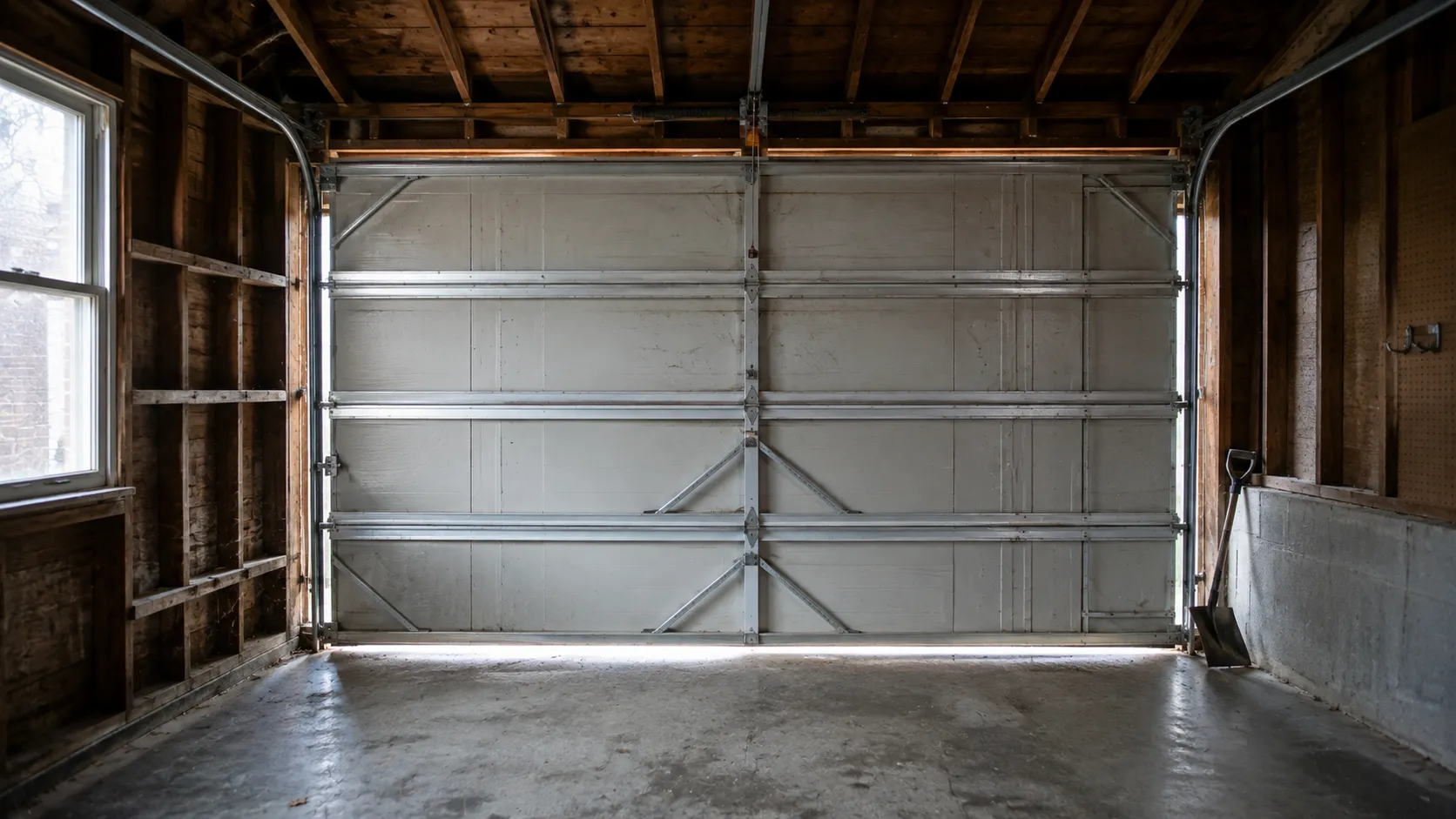
What an Uninsulated Door Costs You in a Minneapolis Winter
Minneapolis homes built 1952-2003 often carry uninsulated garage doors that fought cold weather rules never applied.
Read guide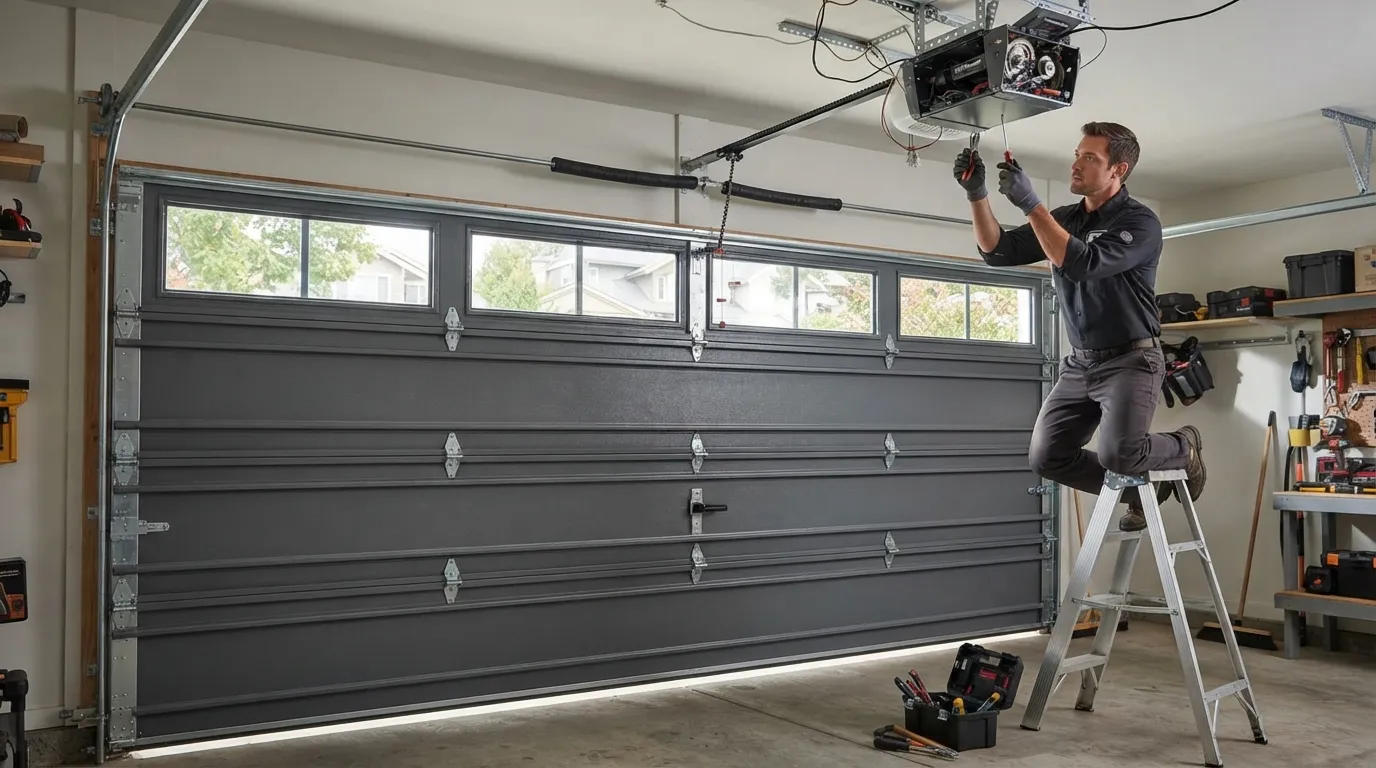
What a Power Cut Does to a Minneapolis Garage Door Opener
Minneapolis homes built 1952-2003 face cold-climate opener strain and outages.
Read guide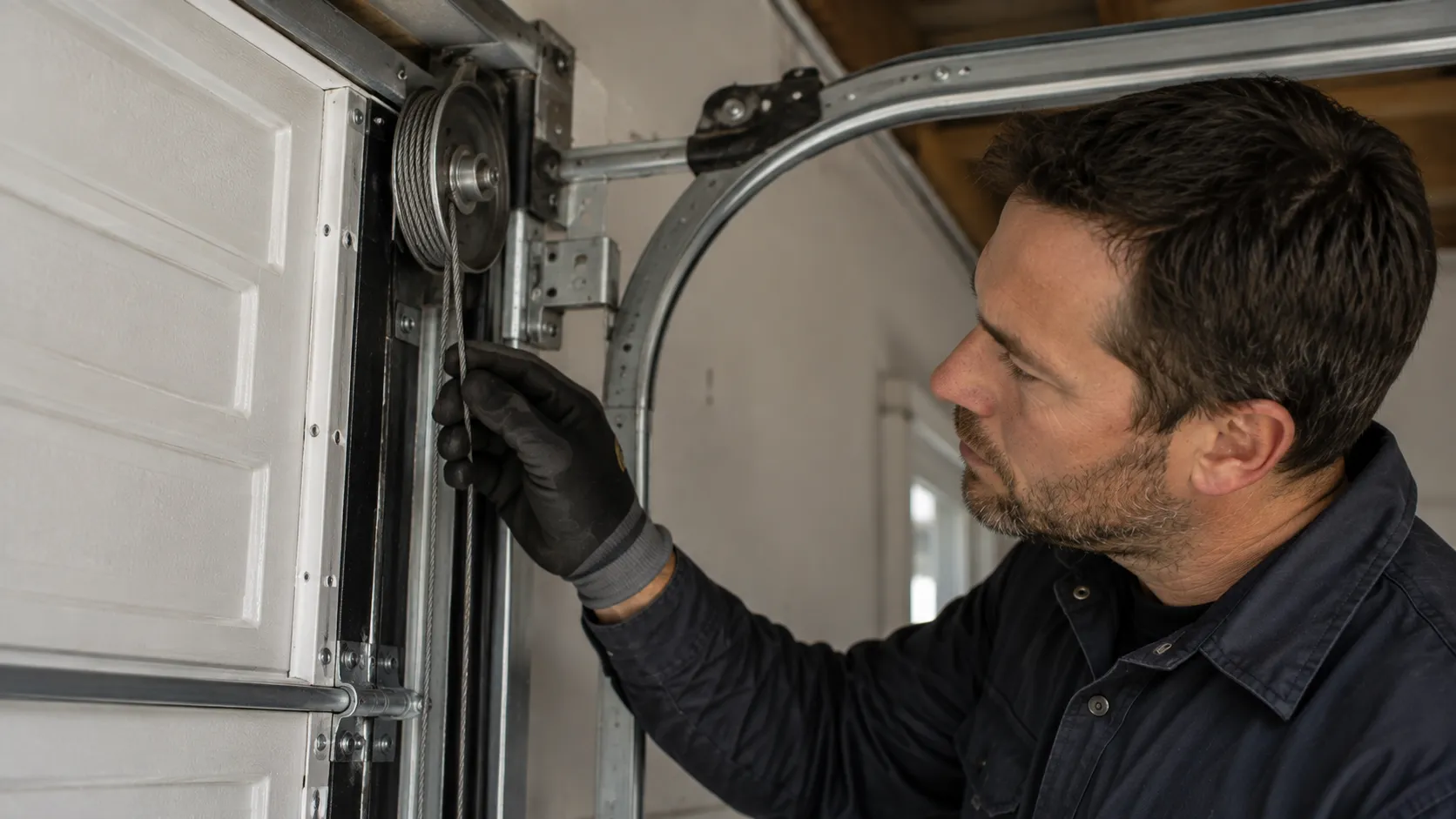
Checking a Garage Door the Minneapolis Way: What Comes First
A Minneapolis tech checks the spring, rollers, and weatherstrip first, since most homes here date to 1952-2003 and face severe cold winters each year.
Read guideReady when you are
Need a garage door sorted in Minneapolis?
Minneapolis Garage Door Pros repairs and installs garage doors, springs and openers in Minneapolis, MN and the surrounding area.