
Blog
What an Uninsulated Door Costs You in a Minneapolis Winter
Minneapolis homes built 1952-2003 often carry uninsulated garage doors that fought cold weather rules never applied. Here's what that means for your door.
How Local Conditions Play In
Most of the housing stock around Minneapolis went up between 1952 and 2003, with the median build year landing around 1975 - squarely in the era before insulated garage doors were standard practice anywhere in the Upper Midwest. Across the 54 named areas we work in, from Northeast Minneapolis to Calhoun Isles, that means a lot of single-layer steel or wood doors still hanging on original tracks, built for a climate that the panel itself does nothing to fight.
This region sits in a severe cold climate band, and a garage isn't just storage here - it's the wall between your living space and single-digit nights. A 1970s-era door with no polystyrene or polyurethane core doesn't stop cold air, it just slows it down a little. If your garage shares a wall with a bedroom or laundry room, that thin door is doing real work against real weather, and it's losing.
The age of the housing also means original hardware - springs, rollers, cable drums - sized for a lighter, thinner panel than what's sold today. Swapping in a heavier insulated door without checking the spring size is a common way to end up with a door that won't lift right on day one.
What Most People Get Wrong
The usual mistake is treating a cold garage as a comfort problem instead of a mechanical one. People add a space heater or weatherstrip the sides and call it done, but on a house built in the 1960s or 70s, the door itself is the weak point - and cold steel contracts, which stiffens seals, tightens roller clearances, and puts more load on a spring that was already sized decades ago for a lighter panel.
Another thing people miss: they assume any pre-insulated door is a repair candidate. Sometimes it is. A worn weatherstrip or a bent track doesn't require tearing out the whole unit. But once a single-skin steel door starts denting from cold-stiffened impact, or the panel itself has gone brittle at the seams, patching it is just delaying the same call six months out.
We don't push replacement as the answer for everything - plenty of these older doors are structurally fine and just need better seals and a spring check. But if you're in a home from that 1952-2003 build window and nobody's touched the door's insulation situation since, it's worth an honest look rather than a guess.
When to Call Someone
Call when the door feels heavier to lift by hand in winter than it did in summer - that's usually cold-stiffened hardware or a spring losing tension, not your imagination. Call when you notice frost forming on the inside face of the door itself; on an uninsulated panel that's normal, but it tells you exactly how little resistance that door is putting up against outside temperatures.
With median household income across the service area at $96,224 and roughly 168,625 owner-occupied houses in the broader area, plenty of homeowners here are weighing a repair against a full door swap on a place built well before insulation standards existed for garage doors. That's a fair question to ask us directly, and we'll tell you straight which side of that line your door is on.
One limitation worth naming: we don't stock every panel size for older custom or oversized openings on the spot. If your door is a nonstandard width from an older build, expect a lead time on replacement panels rather than a same-day swap.
The Situation
This is a service area built mostly in one era - the 1960s and 70s dominate - sitting inside a climate that punishes any gap in the building envelope. That combination is why garage door condition matters more here than it would somewhere with newer housing or a milder winter. It's not an abstract concern; it's a door built for a different set of expectations than the ones this weather has now.
We work across the area out to points like St. Louis Park, Golden Valley, Robbinsdale, and St. Anthony, and into close-in neighborhoods like Phillips, Prospect Park, and Northeast Minneapolis. The pattern holds pretty consistently: older stock, original hardware, and a door that was never asked to do the insulating job that current products do by default.
If your door dates to that original build, an honest assessment now - spring tension, seal condition, panel insulation - costs less than finding out the hard way on a night when the temperature drops fast.
Questions
Common questions
Why does my garage door feel so much heavier to lift in winter?
Cold steel contracts and grease thickens, which adds resistance to rollers and hinges. If your spring was already sized for an older, lighter panel from the 1960s or 70s, that extra resistance shows up fast. It's usually a sign the spring tension needs checking, not a door that's failing outright.
Is it worth insulating an old garage door instead of replacing it?
Sometimes. A retrofit insulation kit helps on a structurally sound panel, but it won't fix worn seals, bent track, or hardware sized for a different era. We'll look at the actual door before recommending either option - we don't default to replacement just because the door is original.
How do I know if my garage door predates insulation standards?
If your house was built in the broad 1952-2003 window common across this area, especially closer to the 1975 median, check for a single layer of steel or wood with no visible core material at the cut edge. A cross-section at the bottom panel usually tells you right away.
Recommendation
You Might Also Like
More garage door guides for Minneapolis homeowners.
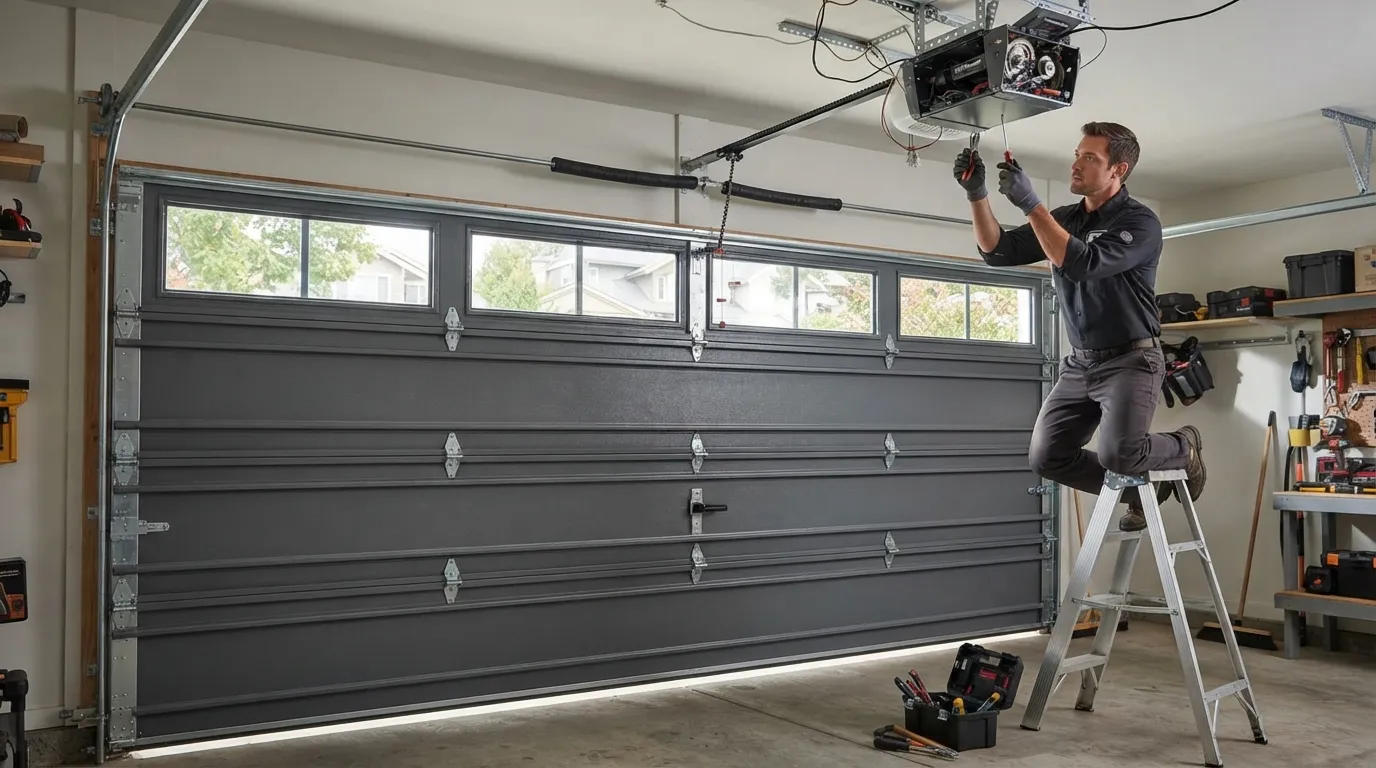
What a Power Cut Does to a Minneapolis Garage Door Opener
Minneapolis homes built 1952-2003 face cold-climate opener strain and outages.
Read guide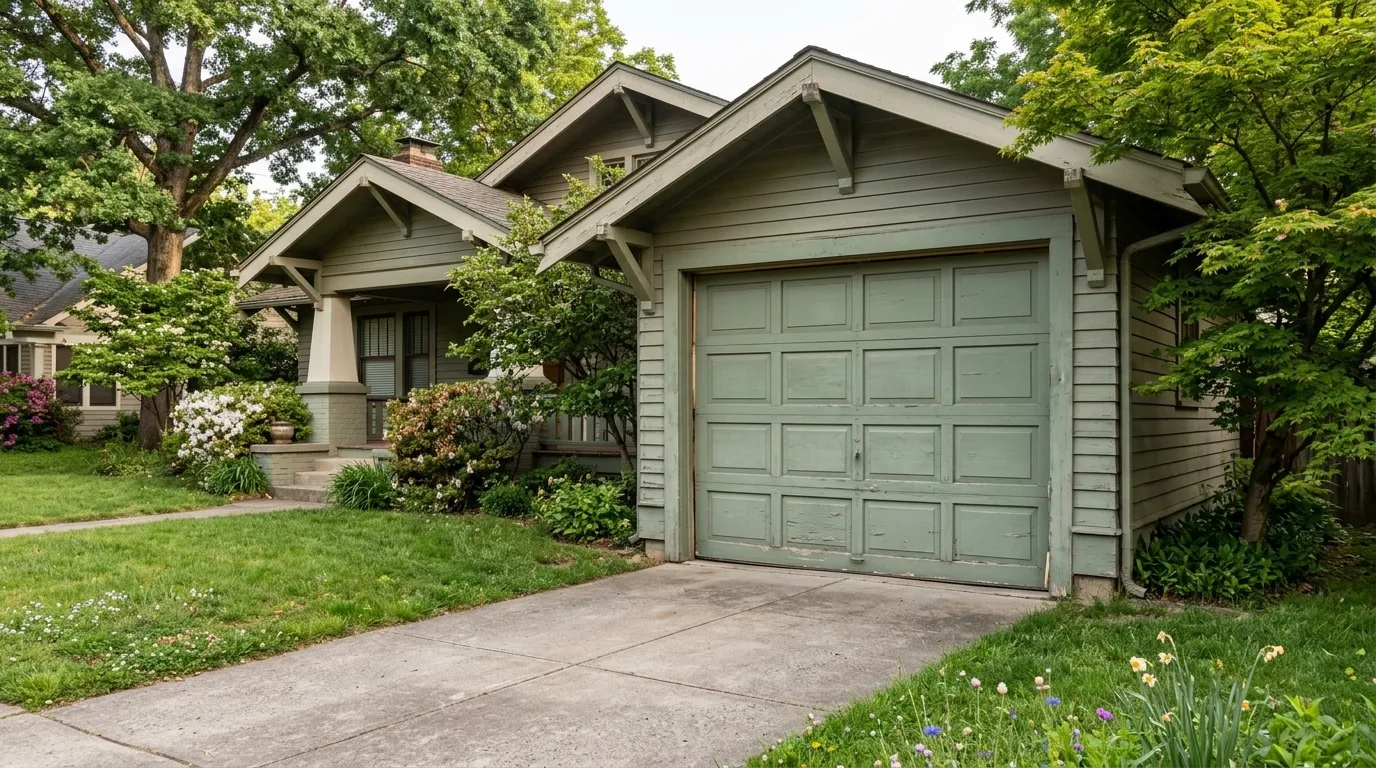
Garage Door Weather Seals for Minneapolis Winters
Minneapolis garage doors face cold-band winters, and homes built between 1952 and 2003 here need weather seals that match the era, not a generic strip.
Read guide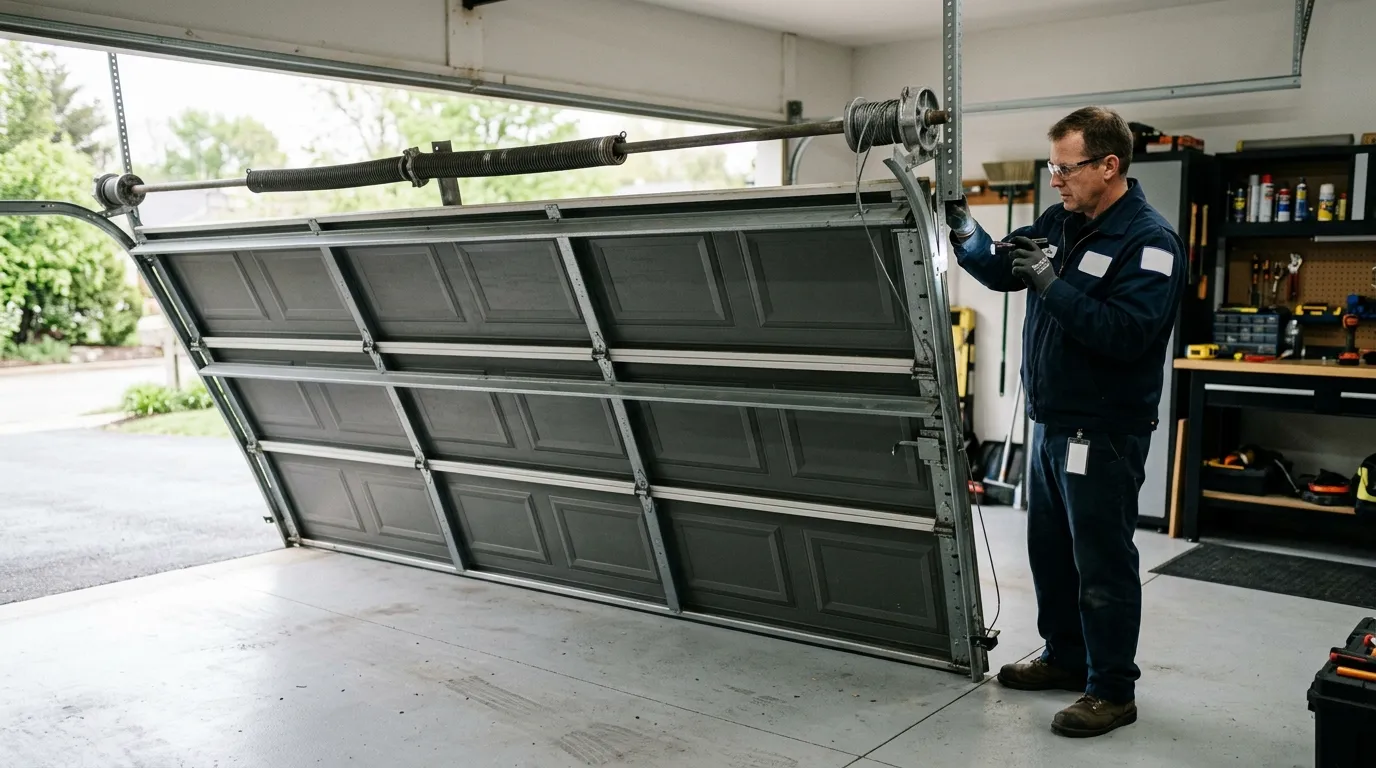
Wind and the Wide Garage Door: A Minneapolis Problem
Minneapolis homes built 1952-2003 carry wide double doors on hardware never rated for today's wind load.
Read guideReady when you are
Need a garage door sorted in Minneapolis?
Minneapolis Garage Door Pros repairs and installs garage doors, springs and openers in Minneapolis, MN and the surrounding area.