
Top-track swaps on newer doors
If you've got a door built after 2010 with nylon rollers on sealed bearings, a top-track swap on the non-tensioned rollers is a reasonable weekend job with the right hinge pliers and a step ladder.
Minneapolis, MN
Rollers grinding or jumping track on a Minneapolis garage door? We replace steel and nylon rollers on homes built from the 1950s through the early 2000s.
DIY or pro
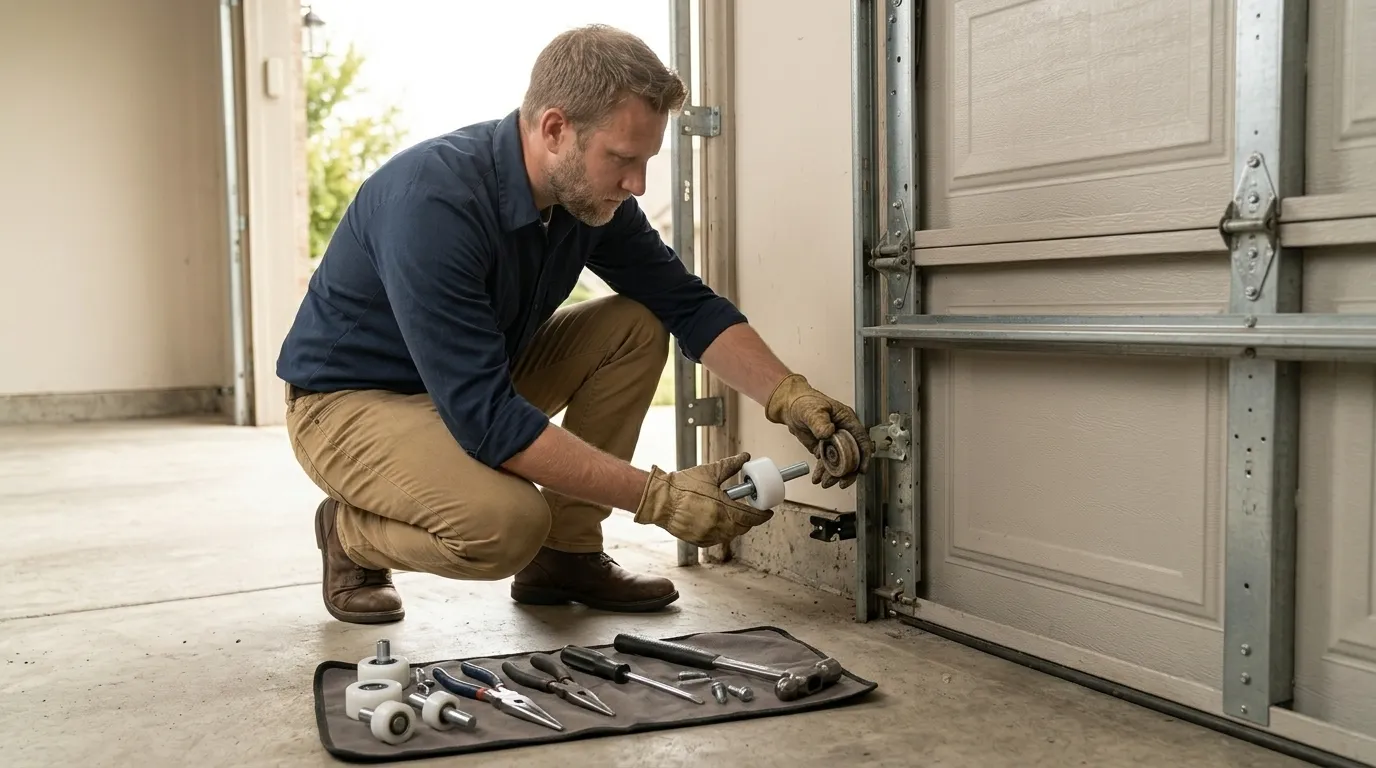
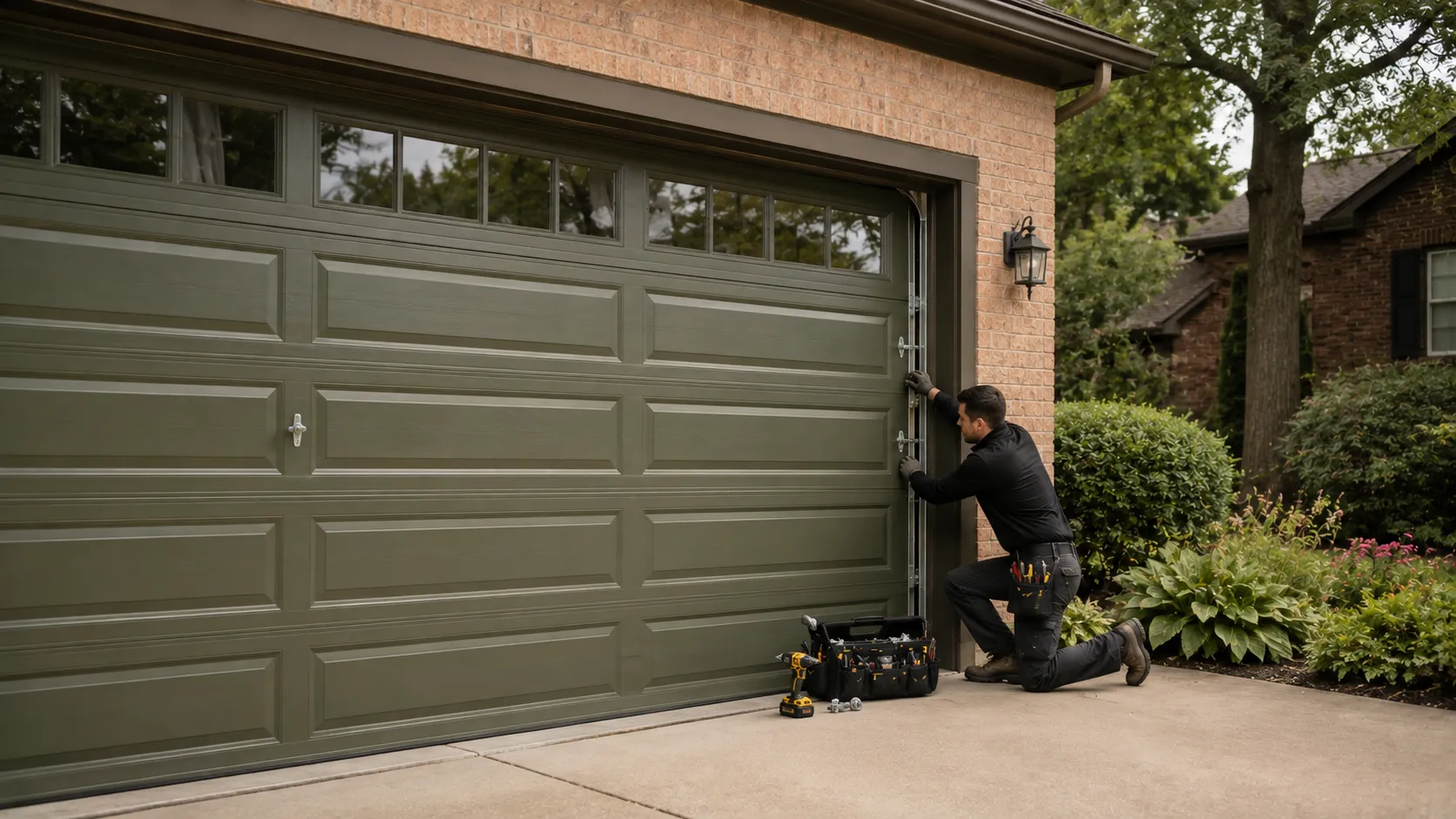
Swapping a roller looks simple on video, and on a newer door with sealed bearings, it often is. Here's where that holds up, and where a worn track or spring tension turns it into a job for a tech.
If you've got a door built after 2010 with nylon rollers on sealed bearings, a top-track swap on the non-tensioned rollers is a reasonable weekend job with the right hinge pliers and a step ladder.
If your door is older stock from the 1960s-70s wave that makes up most of this area's housing, you're likely dealing with steel rollers on galvanized track that's worn a groove to match the old roller's exact wear pattern - a new roller in a worn track still hops.
Most Minneapolis garage doors have at least one roller under spring tension near the bottom bracket, and pulling that bracket without releasing the cable first is how people lose fingers or drop a door on a foot. The bottom two rollers on a torsion-spring door are not a beginner job.
The track alignment check that should go with any roller job is easy to skip and easy to get wrong, which is why a swap that looked simple on video can leave a door running worse than before.
Symptoms
The complaint we hear is almost always the same three sounds. Here's what each one usually means, and why a single worn roller rarely stays a single worn roller.
The complaint we hear is almost always the same three sounds: a rhythmic clunk as the door travels, a scrape that gets worse at the same spot every cycle, and a door that seems to jump sideways in the track right before it fully closes.
Sometimes it's one roller gone flat-sided from age. Sometimes it's several, worn unevenly because the door's been slightly out of balance for months, putting extra load on one side.
On steel rollers - common in houses from the earlier end of our area's 1952-2003 build range - you'll often hear a grinding metal-on-metal note that nylon rollers don't make; nylon usually just goes quiet and starts sticking instead.
A roller worn enough to make noise is also worn enough to be riding loose in the track, which accelerates wear on the track itself and on the rollers next to it. Left long enough, one bad roller becomes three.
Job timing
A straightforward roller replacement is usually a single visit, but the track underneath decides how long that visit actually runs. Here's how the job unfolds once we're on site.
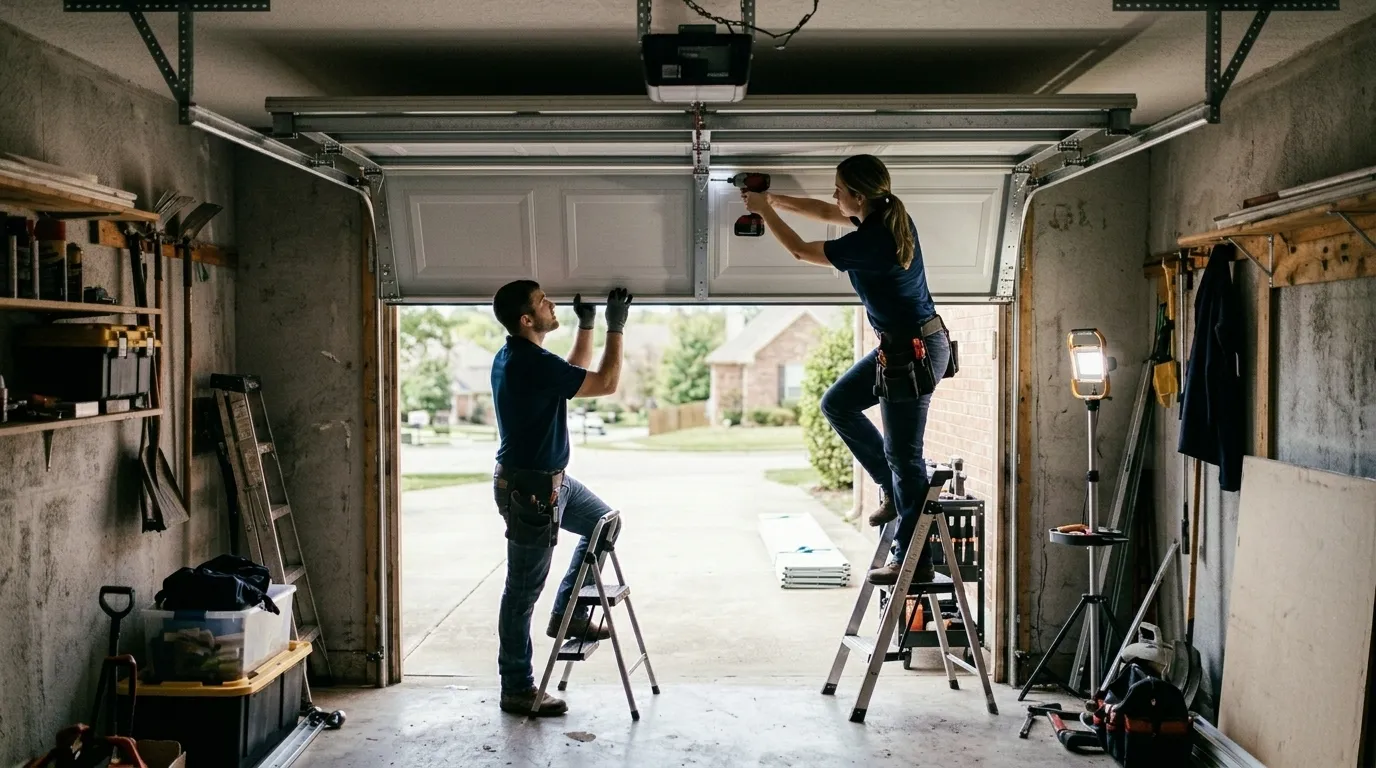
Rollers on a residential sectional door typically number ten to twelve across both sides, and swapping the full set with new nylon rollers on sealed bearings is usually a single visit, faster than most homeowners expect once the door's off tension.
Where the job runs longer is when the track's been ridden hard: a groove worn into galvanized track by a flat-sided steel roller sometimes means straightening or replacing a section of track along with the rollers, not just the rollers themselves.
We won't know which situation we're looking at until we've had eyes on the door, so a phone estimate for roller work is always a range until then - not a guess we lock in before seeing the track.
Local causes
Two things push roller failure higher here than in a warmer climate. First is the housing stock: with most doors in this service area dating from the 1960s and 70s across the 54 neighborhoods and nearby cities we cover, a lot of original steel rollers on plain bearings have simply outlived their bearing grease. Second is the cold. This is a severe cold-climate zone, and steel contracts in winter enough to change roller-to-track clearance - a roller that ran fine in August can start binding in January on the same door. That combination of aging steel rollers and a 60-70 degree seasonal swing in garage temperature is why roller failure here tends to show up as a winter service call even though the wear started months earlier. Across the roughly 168,625 owner-occupied houses in the metro area we serve, that pattern repeats block after block, not because of one bad batch of hardware but because the housing age and the climate work on the rollers the same way everywhere they're installed.
Questions
If your door is original-era stock, usually all of them - once one roller is worn enough to make noise, the others on that door have logged the same age and cycles and are close behind. Replacing one and leaving nine old ones just means we're back at your house in a year for the next one.
Nylon rollers on sealed bearings run quieter and don't lose lubrication the way old steel rollers do, which matters more here given our cold winters and older housing stock. They cost a bit more upfront but hold up better through the temperature swings this climate puts on a garage door.
Yes. A flat-sided or loose roller rides unevenly and can groove the galvanized track over time, especially on older steel-roller doors. If the track's already worn, swapping the roller alone won't fully fix the clunk - we'll need to look at the track section too.
Explore more
Ready when you are
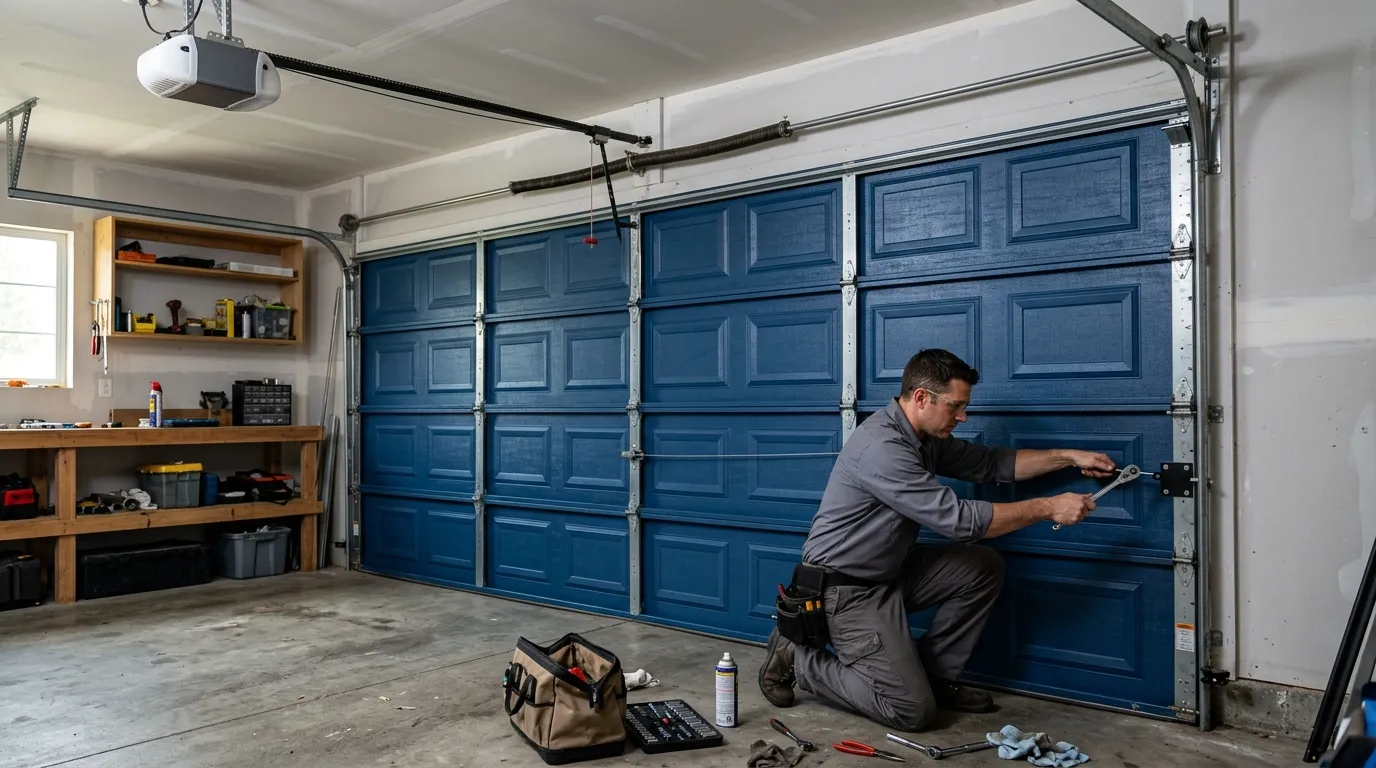
Minneapolis Garage Door Pros repairs and installs garage doors, springs and openers in Minneapolis, MN and the surrounding area.