
Blog
What to Know Before You Replace a Garage Door in Minneapolis
Most Minneapolis garage doors date to the 1960s-70s building boom. Here's what our cold climate and older openings mean for picking a replacement door.
How Local Conditions Play In
Minneapolis sits in a severe cold climate band, and that changes what a replacement door needs to do for you. A door with no insulation, or foam that's degraded after decades in the garage, lets that cold radiate straight into an attached garage wall and whatever room shares it. Once temperatures drop hard for weeks at a time, an uninsulated steel skin becomes a cold sink that fights your furnace all winter.
Most of the housing across this service area went up between 1952 and 2003, with the median build year landing around 1975 and the bulk of the stock concentrated in the 1960s and 70s across the 54 named neighborhoods and suburbs we cover, from Elliot Park and Phillips near downtown out to Wayzata and Circle Pines. That means a lot of garages built to specs and opening sizes that were standard forty and fifty years ago, before double-car garages and taller openings became common. When you replace a door on a house from that era, the opening itself is often part of the conversation, not just the door in front of it.
Cold-climate installs also mean weatherstripping and bottom seals matter more here than they would in a mild-winter market. A seal that's fine in a place with a short winter will crack and let wind through in ours.
What Most People Get Wrong
The most common mistake we see is picking a door purely on looks and skipping the R-value conversation, then wondering why the garage still feels like an icebox. In a severe cold climate, an insulated door isn't a luxury upgrade, it's the part of the job that actually changes how the space feels in January.
The second mistake is assuming a door built for a 1975-era opening will drop into that opening without adjustment. Track hardware, header clearance, and jamb condition on a house from that period often need attention before a new door goes in, especially if the garage hasn't been touched since it was built. Skipping that step is how you end up with a door that looks new but binds, rattles, or won't seal against the cold within a year.
People also underestimate what a full replacement costs against what they've budgeted, especially when the household income for the area runs a median of $96,224. That number supports a solid mid-range door and proper install, but it doesn't mean every option on a showroom floor is the right one for a 1960s garage. We'd rather tell you a cheaper, better-fitted door beats an expensive one bolted onto hardware that wasn't built for it.
When to Call Someone
Call before you buy if your garage was built anywhere near that 1952-2003 window and nobody's inspected the track, springs, or jambs in the last several years. A new door on old hardware is a short-term fix that costs you twice.
Call right away, not later, if the door won't seal at the bottom on a cold day. In this climate, a gap you can feel with your hand is a gap that's driving your heating bill up and can let ice and meltwater track into the garage.
An honest limitation here: we can't tell you what your door will cost over the phone without seeing the opening, because houses across this area vary enough in age and condition that a flat number would be a guess dressed up as a quote.
The Situation
Across the roughly 415,224 households in this service area, with about 168,625 of them owner-occupied houses, a huge share are sitting on garage doors installed or last replaced decades ago, matched to a housing stock whose median age is around 1975. That's not a small maintenance note, it's the baseline condition of the market we work in.
Combine that with a severe cold climate and you get a specific, recurring job: an older, thinly insulated or uninsulated door on a garage built to an older opening standard, in weather that punishes any gap or seal failure. That's the door most homeowners in Elliot Park, Powderhorn, Northeast Minneapolis, and the rest of this footprint are eventually replacing, not because it broke, but because it was never built for this climate to begin with.
We're not going to tell you every door needs replacing tomorrow. Plenty of doors from that era are still structurally sound and just need better weatherstripping and a serviced opener. But when a door does need replacing here, the climate and the age of the housing stock are the two facts that should drive the decision, not the catalog page.
Questions
Common questions
Is my garage door too old to repair instead of replace?
Depends on condition, not just age. A lot of doors from the 1960s-70s building era here are still sound structurally, but if the panels are rusted through or the track hardware is original and worn, replacement usually makes more sense than another repair, especially given our winters.
Do I need an insulated door in Minneapolis?
Given the severe cold climate here, yes, an insulated door with a good bottom seal makes a real difference to how cold your garage and any attached rooms get. It's one of the few upgrades that pays off every winter, not just once.
Will a new door fit my old opening?
Often, but not automatically. Houses built in the 1952-2003 range this area is dominated by sometimes have openings or track clearances that don't match modern standard doors, so we check the jamb and header before ordering anything.
Can you give me a price over the phone?
Not accurately. Garage age and opening condition vary enough across this service area that a phone estimate would be a guess. We'd rather look at the actual door and opening first.
Recommendation
You Might Also Like
More garage door guides for Minneapolis homeowners.
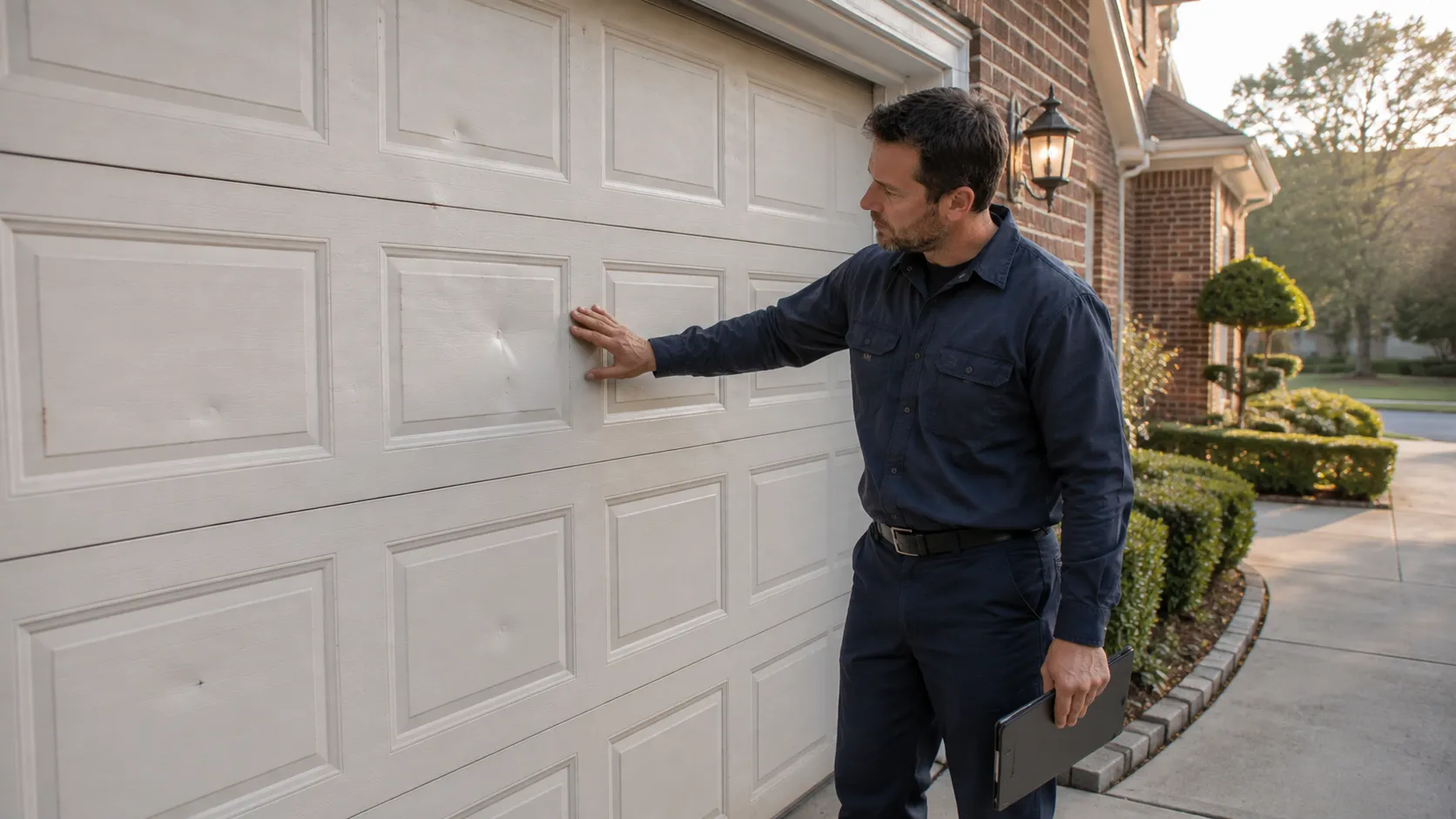
Deciding Whether to Repair or Replace an Older Door in Minneapolis
In Minneapolis, most garage doors date to homes built between 1952 and 1975, and our severe cold winters decide whether an old door repair still makes sense.
Read guide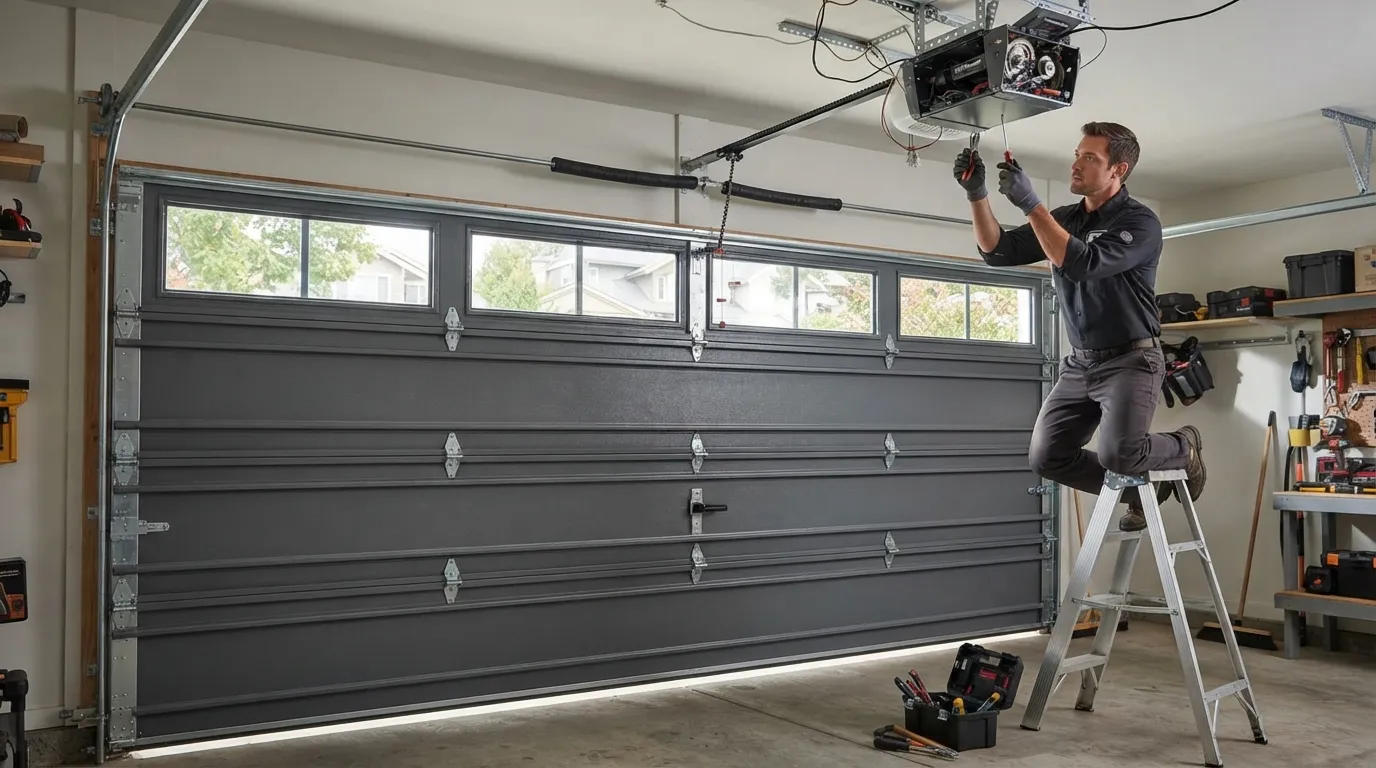
What a Power Cut Does to a Minneapolis Garage Door Opener
Minneapolis homes built 1952-2003 face cold-climate opener strain and outages.
Read guide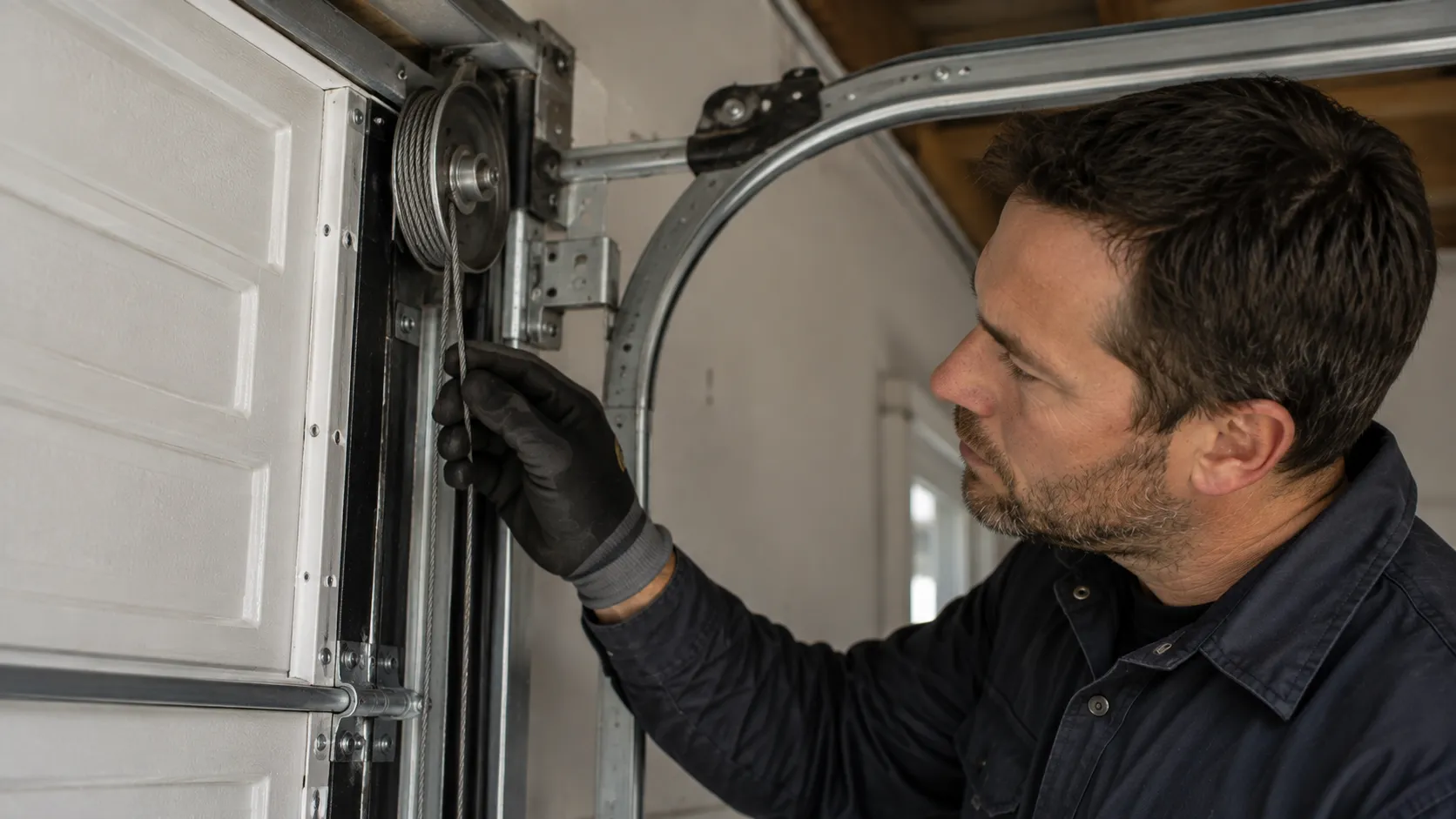
Checking a Garage Door the Minneapolis Way: What Comes First
A Minneapolis tech checks the spring, rollers, and weatherstrip first, since most homes here date to 1952-2003 and face severe cold winters each year.
Read guideReady when you are
Need a garage door sorted in Minneapolis?
Minneapolis Garage Door Pros repairs and installs garage doors, springs and openers in Minneapolis, MN and the surrounding area.