Minneapolis, MN

Garage Door Installation Built for Minneapolis Winters

Minneapolis homes built between 1952 and 2003 often carry doors and hardware sized for a different climate. We install doors matched to this area's cold-band winters.

Garage Door Installation Built for Minneapolis Winters in Minneapolis
Serving Minneapolis, MNBackground-checked techsHonest, upfront pricingFast local response
1952–2003
Typical build years of local homes
Cold winters
Climate that shapes door wear
54
Named areas in our coverage

DIY or pro

Doing It Yourself

A lot of homeowners around here start with a kit door from a big box store and a Saturday afternoon. Here's what actually eats the time on an older opening, and why the door itself is rarely the hard part.

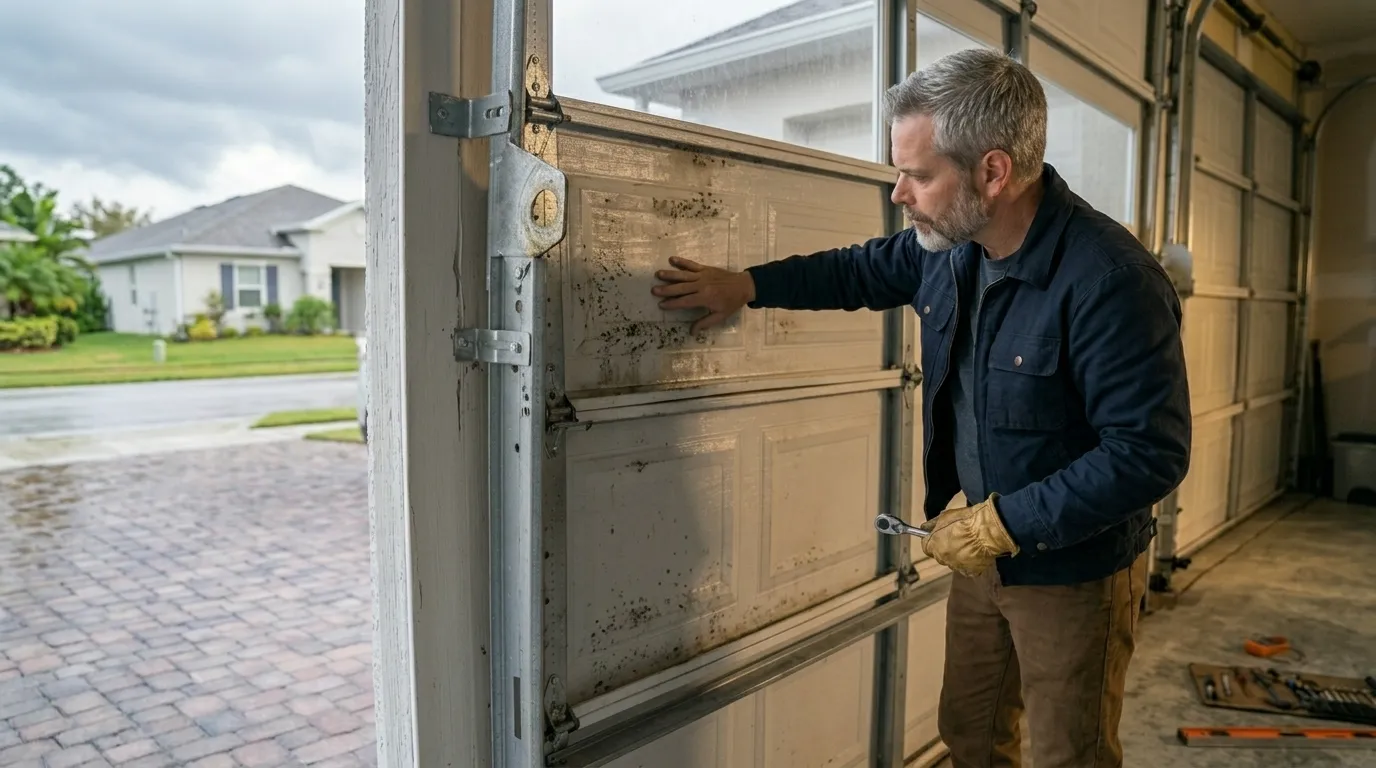
The jamb, not the door, is the hard part

Houses in this service area were built anywhere from 1952 to 2003, with most stock dating to the 1960s and '70s, framed to inch-and-a-half lumber standards that don't match current pre-hung door units. You end up shimming, re-squaring, and sometimes cutting new jamb stock just to get a door that seals.

Track alignment shifts with the house

On an older opening, the studs have moved a little over fifty-plus years of freeze-thaw cycles, so a track that looks plumb by eye can be off by a quarter inch at the header - enough to bind a roller in January.

Plan for a longer job than the box promises

Plenty of capable people install their own doors, and it can be done. But on an opening original to a house from this area's build era, expect the job to run two or three times longer than the instructions suggest, plus at least one unplanned hardware store trip.

Symptoms

The Symptom

The complaint we hear most from this area isn't a broken door - it's a door that quietly stops sealing. Here's what that symptom actually looks like, and why it's rarely the opener.

A door that stops sealing in winter

The complaint we hear most from this area isn't a broken door - it's one that worked fine last spring and now won't seat flush against the weatherstrip. Framing lumber and door panels both contract unevenly in this cold-band climate, especially on houses from the 1960s-70s stock common here.

Daylight at the corner, a shove to latch

The symptom shows up as daylight along one bottom corner, or a door that needs an extra shove to latch once temperatures drop below freezing. Homeowners often assume it's the opener losing strength.

It's the geometry, not the opener

Usually it's the panel and track geometry shifting against a jamb that was never built to today's tolerances. The fix isn't a new opener - it's a door and track set sized and shimmed for the opening as it exists now, not as it was framed decades ago.

Job timing

Time on the Job

Installing a new door on an original opening is rarely a two-hour job here. Here's where the time actually goes, from jamb work to a header that wasn't sized for today's door.

  1. Check and square the jamb

    Most of the extra time on an older opening goes into the jamb - checking square, shimming, sometimes sistering a stud that's twisted from decades of seasonal movement.

  2. Hang and align the door

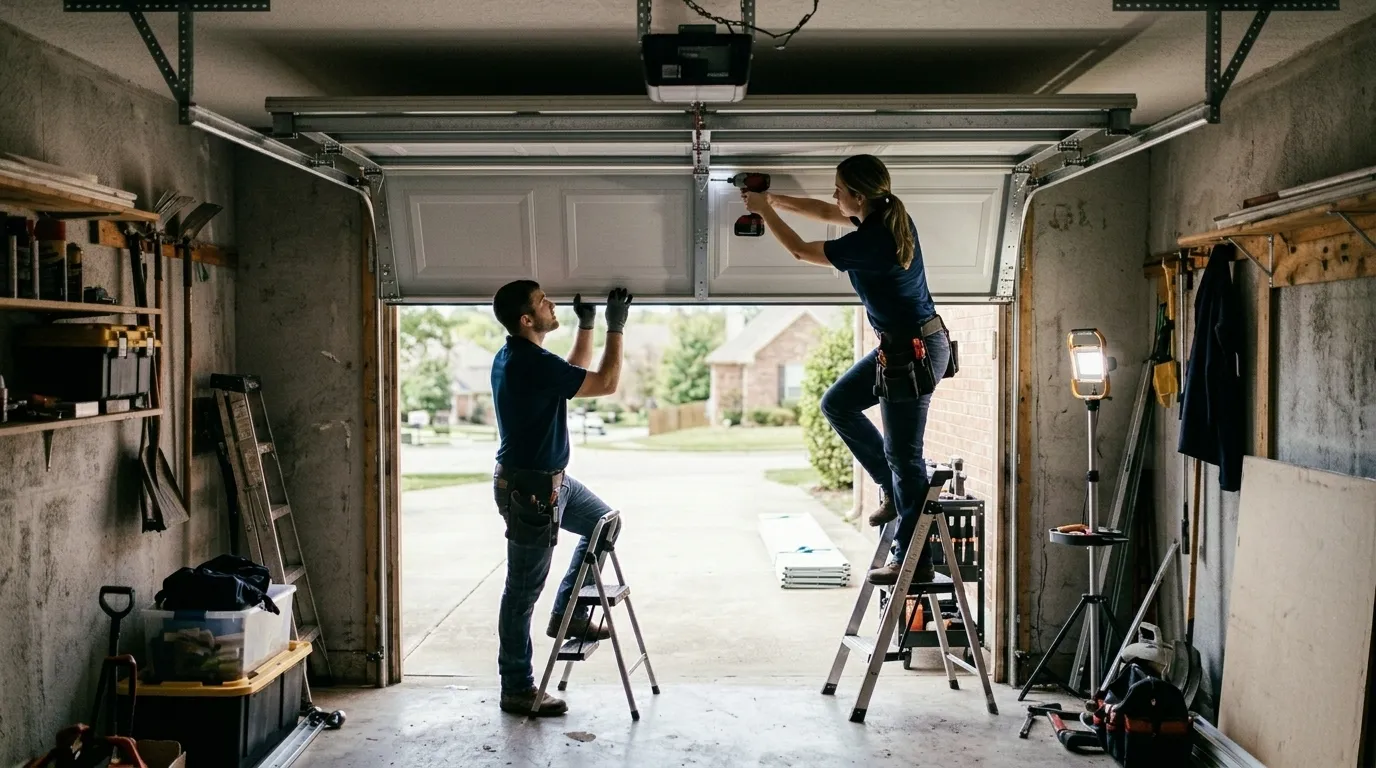
    A standard single-door install on an original opening runs closer to a full day than the two-to-three-hour estimate quoted for new construction, since the door itself is the fast part once the jamb is right.

  3. Take extra time on double doors and old headers

    A double door on an older opening takes longer still, especially if the original header was sized for a lighter door than what's going in now. We won't rush that part - a door installed square the first time doesn't come back as a service call the following winter.

Local causes

Why This Fails Locally

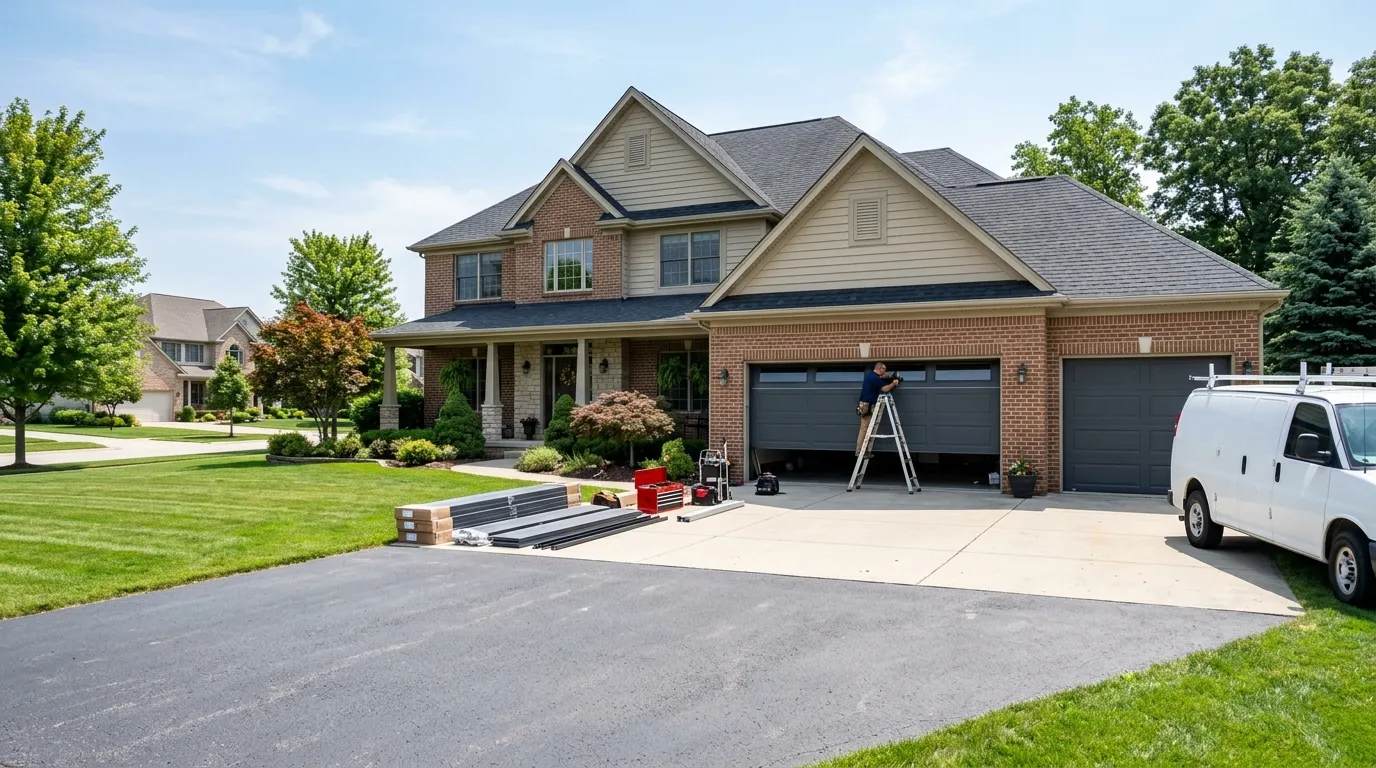
This is a cold-band severe climate, and a house built any time from 1952 through 2003 - which covers most of what's on the ground across the 54 named areas we work in - was framed before today's thermal break and insulation standards existed for garage openings. That combination is why installation here isn't the same job as installation in a warmer, newer-stock market: the opening itself has to be corrected for square and insulated for temperature swing, not just fitted with a new door.

We won't install a door on an opening that's badly out of square without addressing the framing first. Doing otherwise just moves the seal failure from this winter to next winter, and that's not a job we're willing to hand a customer knowing it'll fail.

Why This Fails Locally

Questions

Common questions

Why does my garage door stop sealing every winter?

In this climate, framing and door panels contract unevenly once temperatures drop, especially on houses built in the 1952-2003 range that make up most of the stock here. The opening was never framed with today's insulation standards, so the gap shows up as a seal failure rather than a broken part.

How long does a new garage door installation take?

On an original opening from this area's typical build era, plan on closer to a full day for a single door, more for a double, because most of the time goes into squaring and shimming the jamb rather than hanging the door panel itself.

Can I install a garage door myself in an older Minneapolis house?

You can, but original openings from the 1960s-70s stock common here often aren't square anymore, so expect extra time for shimming and possibly cutting new jamb stock. It's a longer job than the kit instructions suggest.

Do you serve areas outside Minneapolis proper?

We work across the surrounding service area, including neighborhoods and nearby communities within about a 12 to 14 mile radius of the city.

Ready when you are

Need a garage door sorted in Minneapolis?

Minneapolis Garage Door Pros repairs and installs garage doors, springs and openers in Minneapolis, MN and the surrounding area.

CallGet a quote