
Battery and keypad resets are fine
You can swap a remote battery or reset a keypad code yourself, and plenty of homeowners do. It's a safe, simple fix that doesn't involve the wired unit itself.
Minneapolis, MN
Opener repair for Minneapolis homes built 1952-2003, where cold winters and aging drive systems wear gears, capacitors, and logic boards the same way, year after year.
DIY or pro
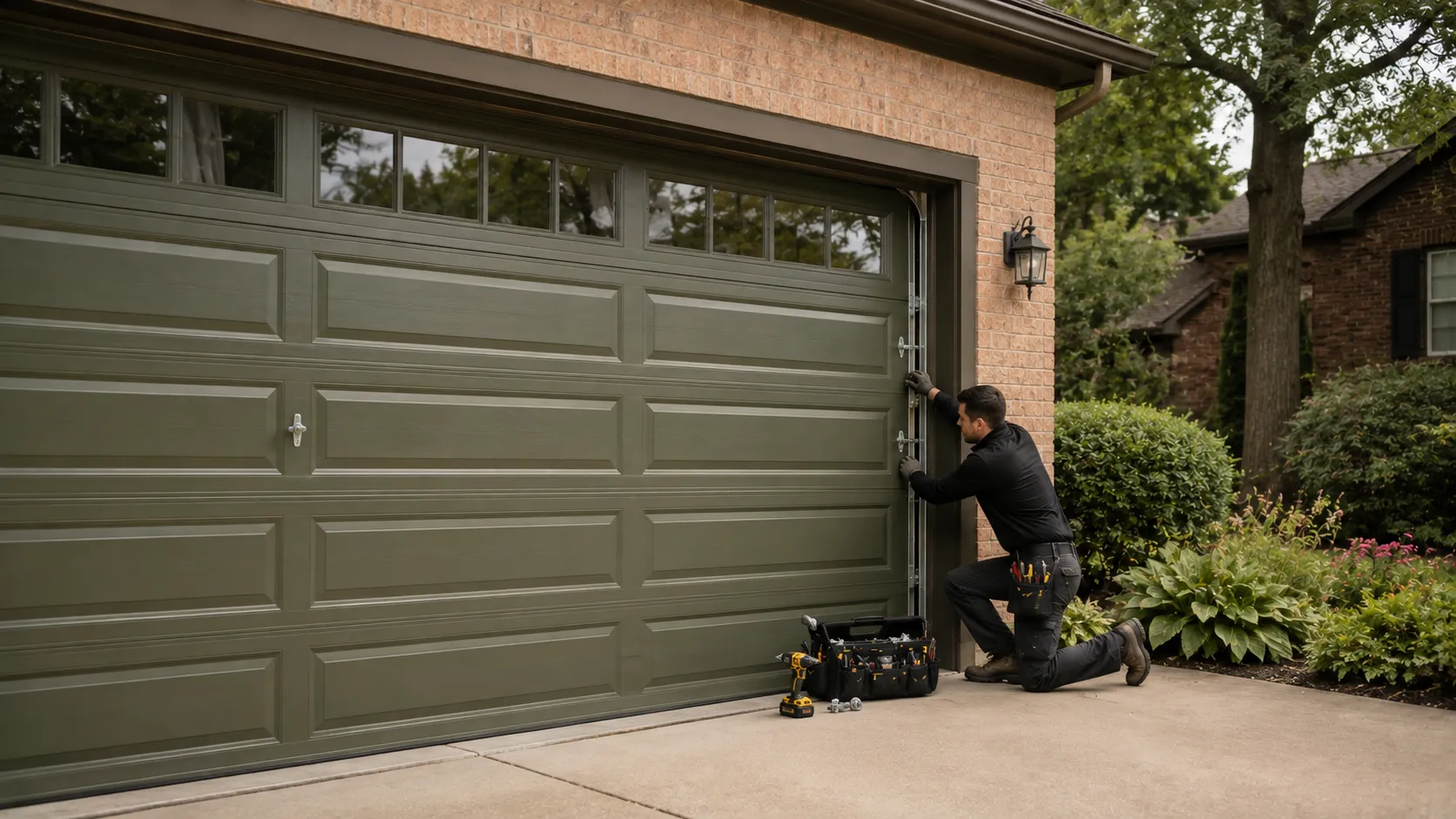
You can swap a remote battery or reset a keypad code yourself, and plenty of homeowners do. Here's where that's fine, and where guessing at the cause risks buying a part you didn't need.
You can swap a remote battery or reset a keypad code yourself, and plenty of homeowners do. It's a safe, simple fix that doesn't involve the wired unit itself.
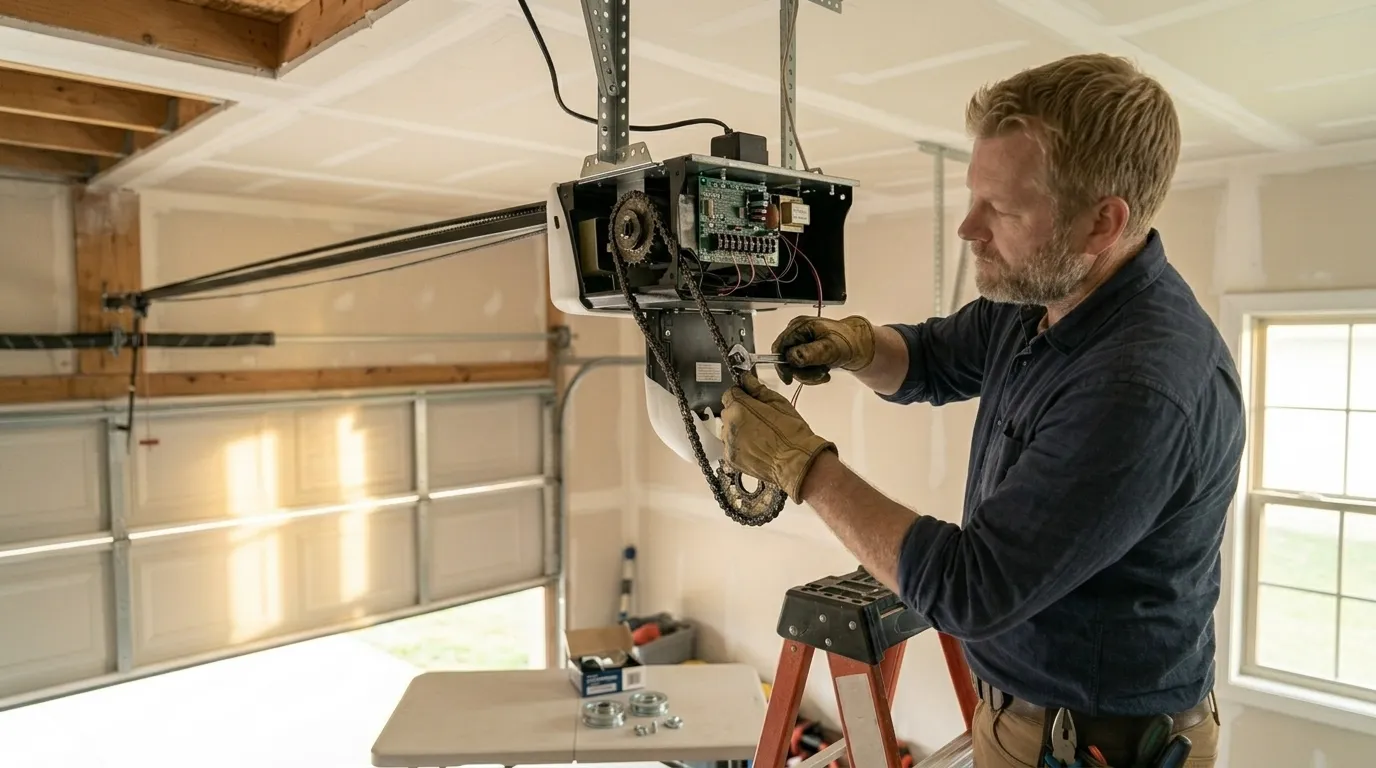
Anything involving the drive gear, the logic board, or the down-limit switch sits behind a cover with the unit still wired to a circuit, often mounted on ceiling joists that were never meant to be worked on solo.
If your opener grinds, hums without moving the door, or clicks and stops partway, that's usually a symptom with more than one possible cause. Guessing wrong means buying a part you didn't need - and if the logic board has failed on a unit installed in the 1960s or 70s, replacement is usually cheaper than sourcing an obsolete board.
Symptoms
The most common call we get for opener repair isn't a dead unit. Here's what the three most common symptom patterns usually mean, and why one of them is tied directly to this area's cold winters.
The most common call isn't a dead unit - it's a door that responds to the remote, the motor engages, and then nothing happens, or the door reverses right after it starts closing. That's almost always the drive mechanism (chain, belt, or screw drive) slipping or stripped, or a limit switch out of adjustment.
A close second is an opener that runs fine in summer and struggles or won't engage at all once temperatures drop hard - a direct result of the cold-band climate here, where lubricant thickens and plastic drive gears become brittle at low temps.
Capacitor failure on older units shows up as a motor that hums but doesn't turn over, and it's common on openers original to houses built in the 1970s median-age range across this market.
Job timing
Most opener repairs finish in a single visit once we know what actually failed. Here's how the diagnosis unfolds, and when a repair stops making sense compared to replacement.
Most opener repairs - gear replacement, limit switch adjustment, sensor realignment, capacitor swap - are a single visit, usually under two hours, once we've confirmed exactly what failed.
What takes longer is diagnosing intermittent faults: a door that fails one day in five is harder to pin down than one that's dead on arrival, and we won't guess and replace parts hoping one of them fixes it.
If a board or drive assembly has to be special-ordered because the opener is old enough that the manufacturer no longer stocks common parts, that adds days, not hours. We tell customers when a repair isn't worth the wait or cost, and when replacing the whole opener is the better math.
Local causes
Minneapolis's housing stock across this service area was mostly built between 1952 and 2003, with the bulk going up in the 1960s and 70s. Openers installed with those original doors, or replaced once in the decades since, are old enough now that drive gears, capacitors, and logic boards are wearing out on a predictable clock - and this region's cold-severe winters accelerate all three failure modes. Grease that's fine at 60 degrees seizes at zero. Plastic gears that flex in July crack in January. Circuit boards in unheated garages see wider temperature swings than almost any other household appliance gets exposed to. With over 168,000 owner-occupied houses in this market and median household income near $96,000, a lot of these homes can afford to replace rather than patch - but plenty of owners want the repair done right first, and that's the job we're set up for.
Questions
Cold-severe winters here thicken lubricant on the drive gear and make plastic components more brittle, so an opener that runs fine in summer can bind, stall, or refuse to engage once temperatures drop. It's one of the most common seasonal calls we get across this market.
If the motor and drive system are sound and it's a limit switch, sensor, or capacitor issue, repair is usually cheaper. If the logic board has failed on an opener old enough that parts are hard to source, replacement often costs less than the repair once you factor in wait time.
A stripped drive gear is typically a single visit, often under two hours, once we've confirmed that's the actual failure and not a limit switch or board issue masquerading as one.
Explore more
Ready when you are
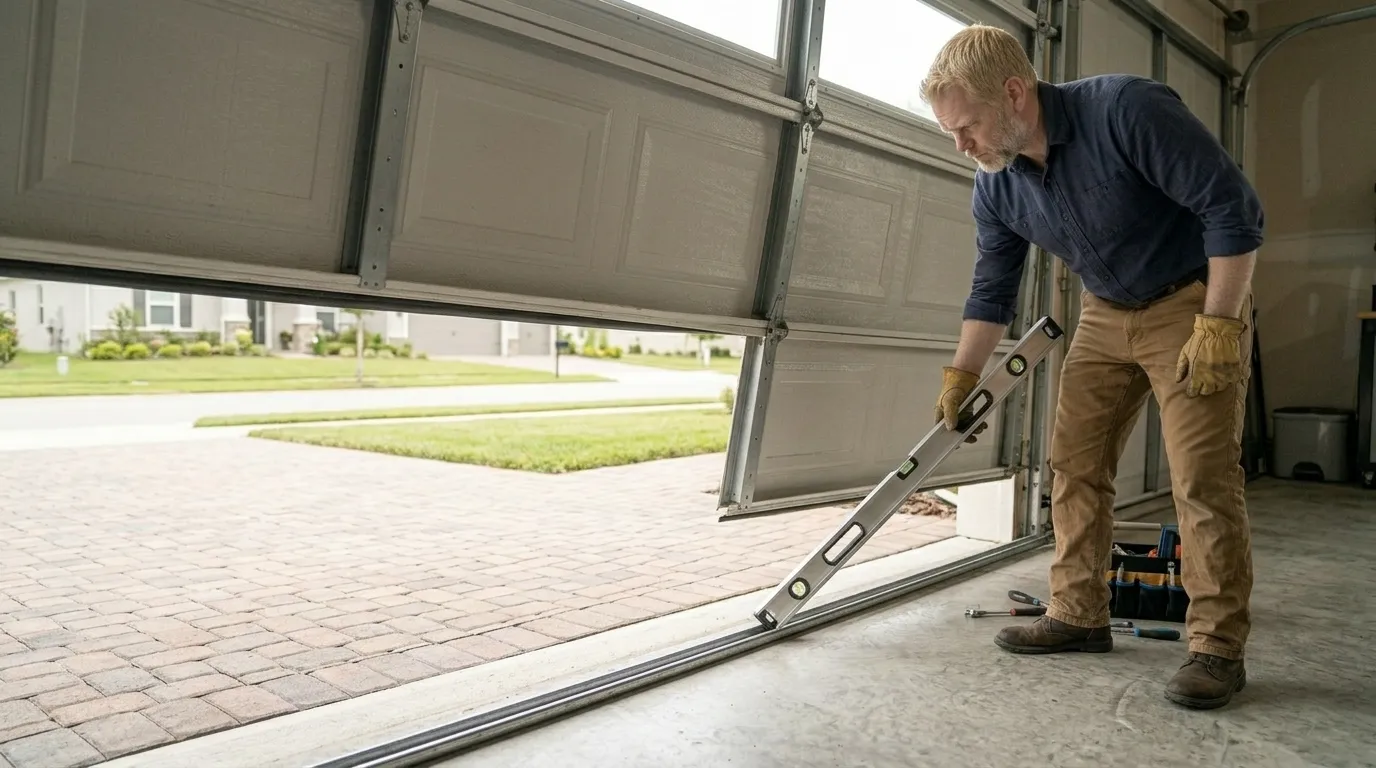
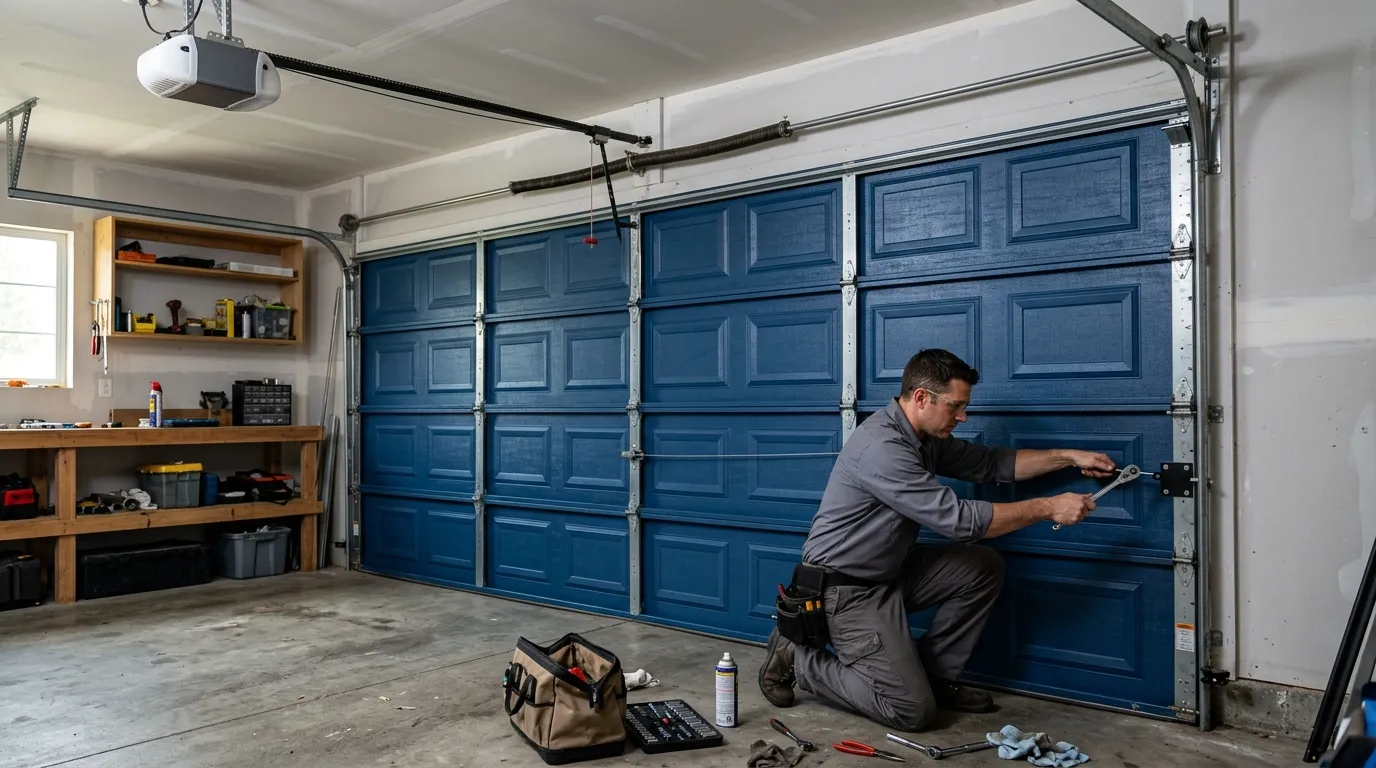
Minneapolis Garage Door Pros repairs and installs garage doors, springs and openers in Minneapolis, MN and the surrounding area.